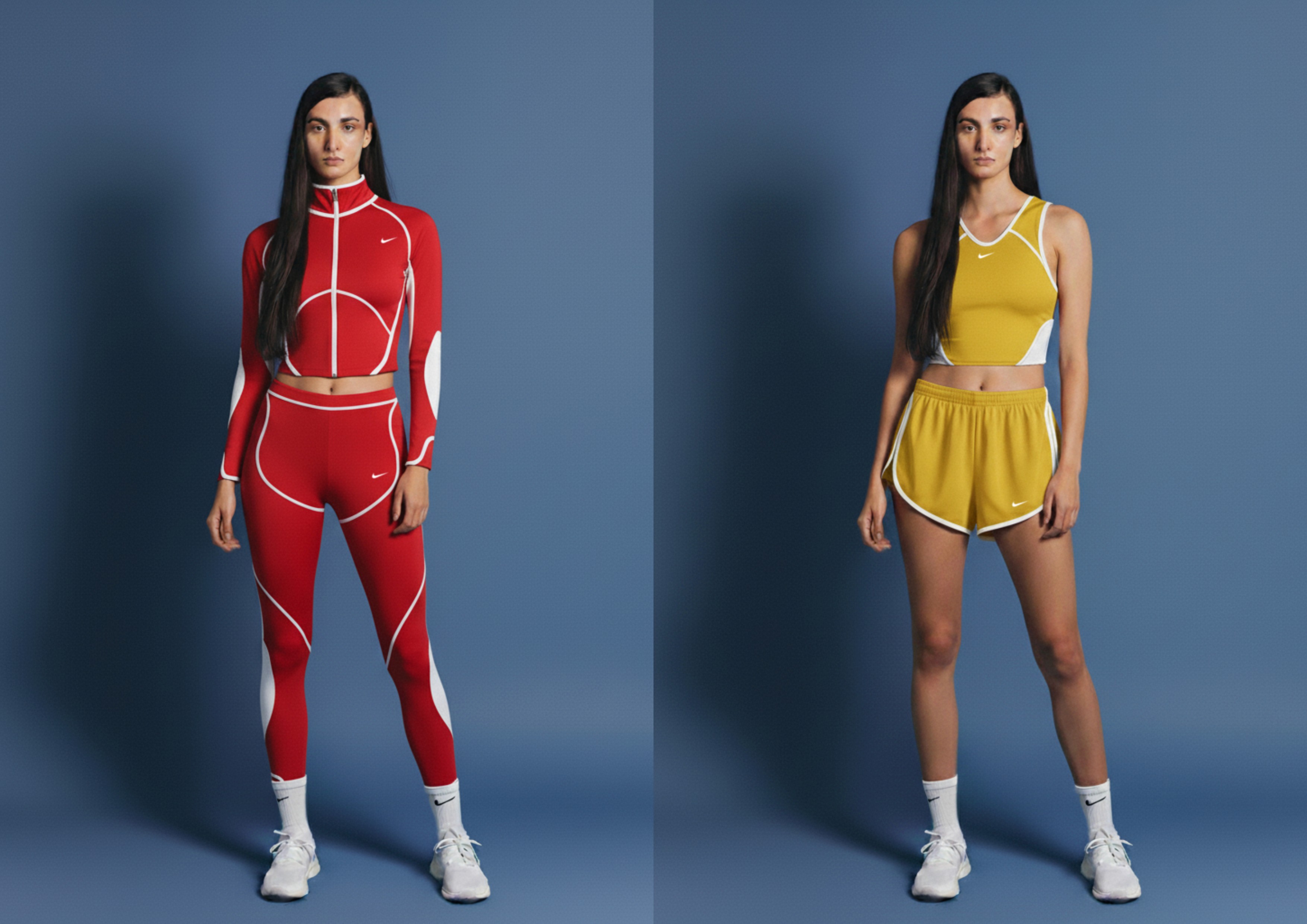
Anne Audain x Nike Concept Collection
Intro
When NikeSKIMS released their first collection, I felt they missed an opportunity. SKIMS is built on empowering women, yet the collection lacked any deeper storytelling about the incredible women in Nike's history. This sparked a question: what if we honored one of Nike's forgotten pioneers instead?
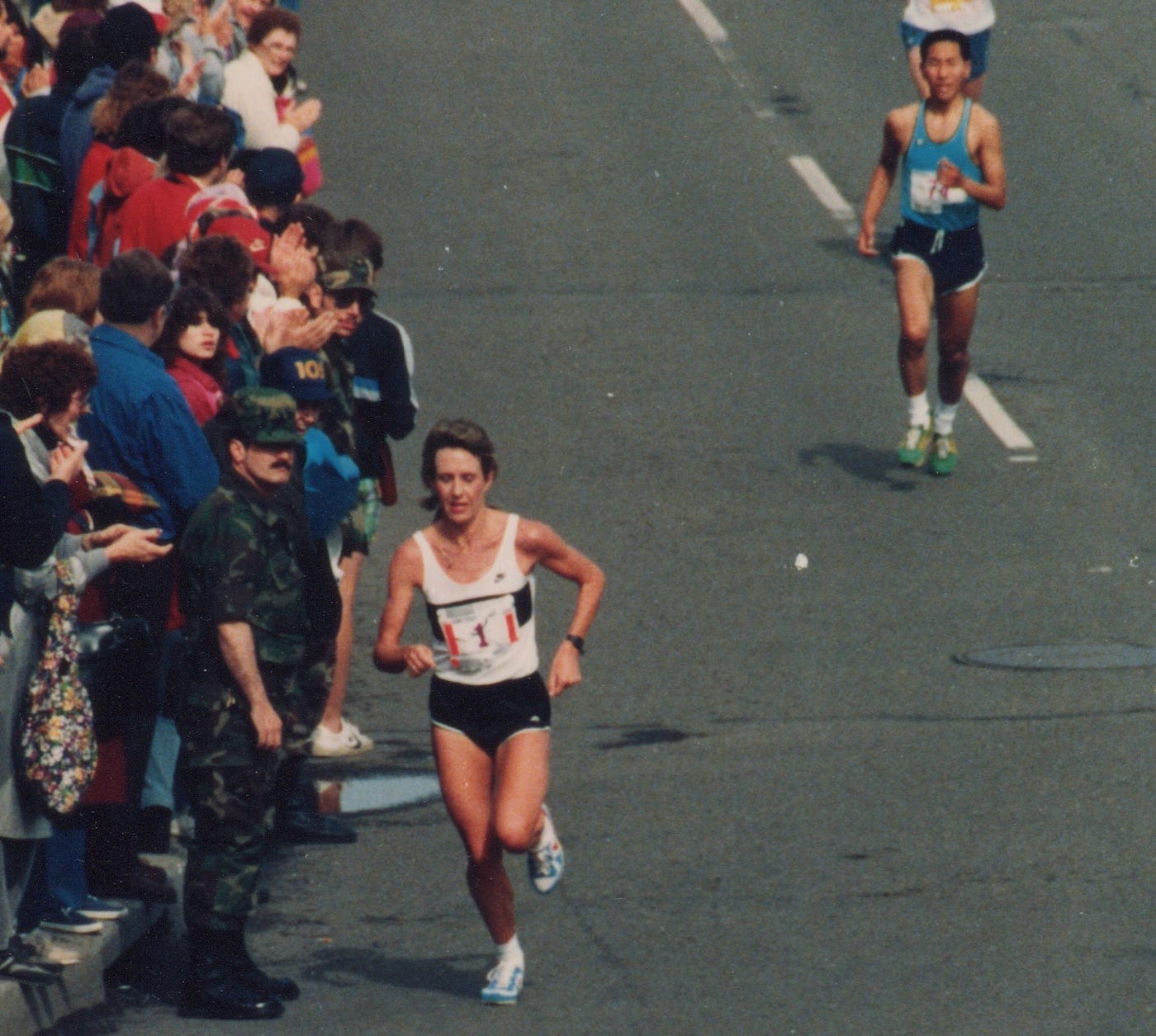
That's how I discovered Anne Audain, Nike's first female athlete on a monthly paid contract. Born with deformed feet, she underwent reconstructive surgery at 13 just to walk without pain. She went on to qualify for six Olympic Games, pioneer professionalism for female track athletes (accepting prize money led to a "temporary" lifetime ban), and in 1982 became the "winningest athlete", running 13 road races, winning all 13, and setting 13 course records including one world record.
This project became both a tribute to Audain's legacy and an experiment in AI-driven design workflow, creating a full retro-inspired running collection using primarily artificial intelligence tools.
Skills:
The Challenge
Create a conceptual Nike collection that:
Tells a compelling story about a forgotten trailblazer in Nike's history
Tests AI capabilities in fashion design workflow; how far can you push primarily AI-driven visualization?
Balances retro aesthetics with modern design; honoring Audain's 1980s era while creating something relevant today
Feels authentically Nike; staying within brand language rather than creating something overly conceptual
The Concept
Anne Audain's story is one of defying expectations at every turn. Told she'd struggle to walk, she became an Olympic-level runner. Banned from her sport for accepting prize money, she helped pioneer professional athletics for women. Overlooked by history despite being Nike's first female athlete, her legacy deserves revival.
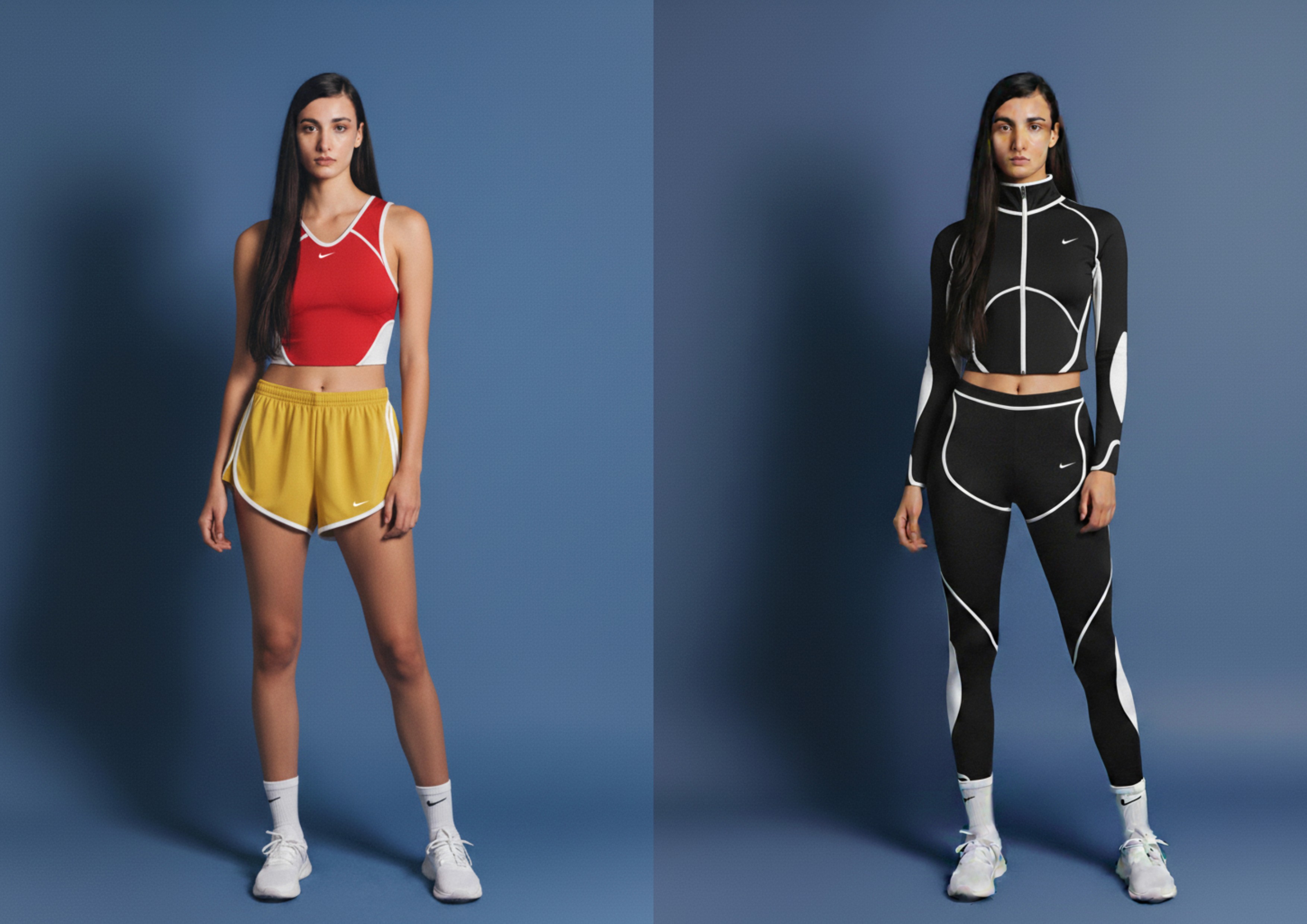
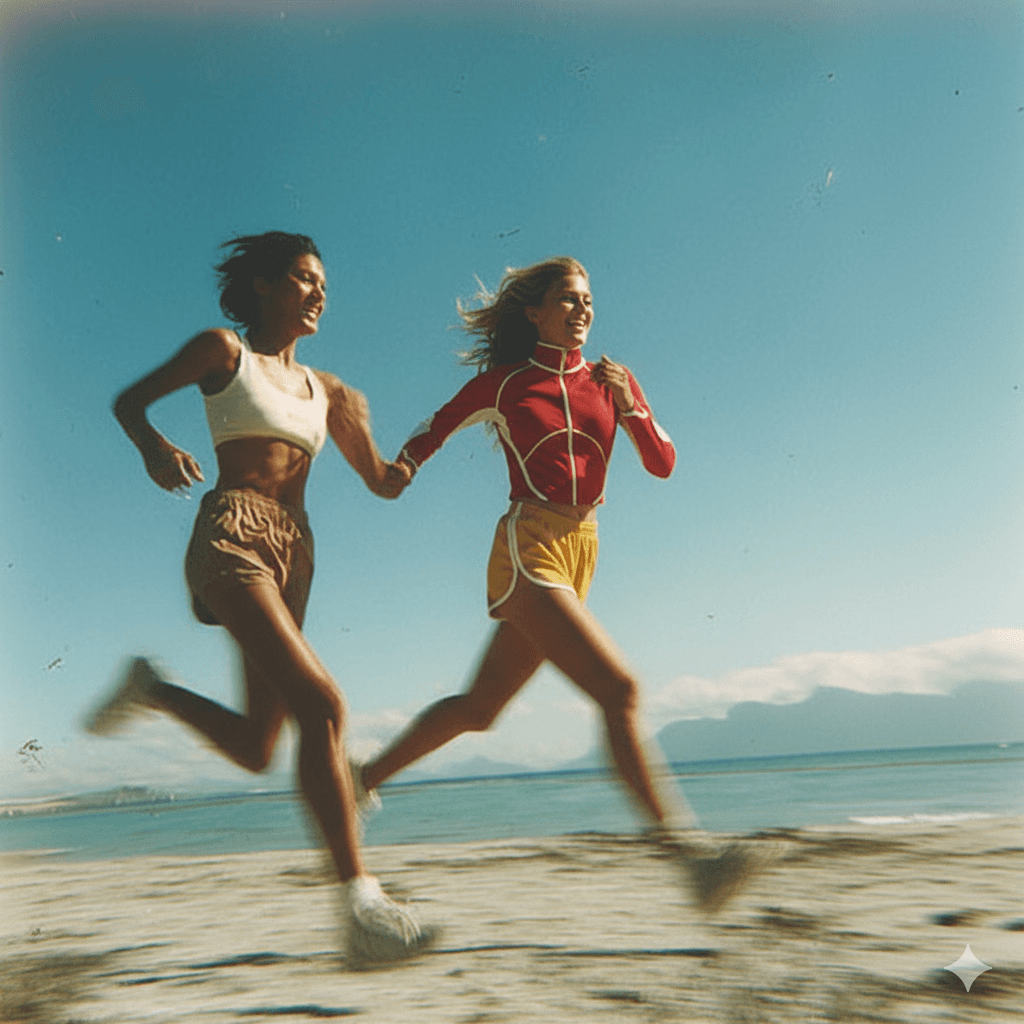
The collection translates Audain's era, the bold, unapologetic aesthetic of 1980s running culture, into contemporary athletic wear. Strong colors, white piping details, clean lines, and that unmistakable retro energy, but applied to modern garment construction and performance needs.
The campaign message: "Born to sit it out. She ran anyway. Imagine what you can do."
Design Process
Research & Discovery
I began researching notable women in Nike's history, looking for stories that felt both significant and underrepresented. Anne Audain's narrative immediately stood out. Not just for her athletic achievements, but for her role in fighting for female athletes' right to compete professionally.
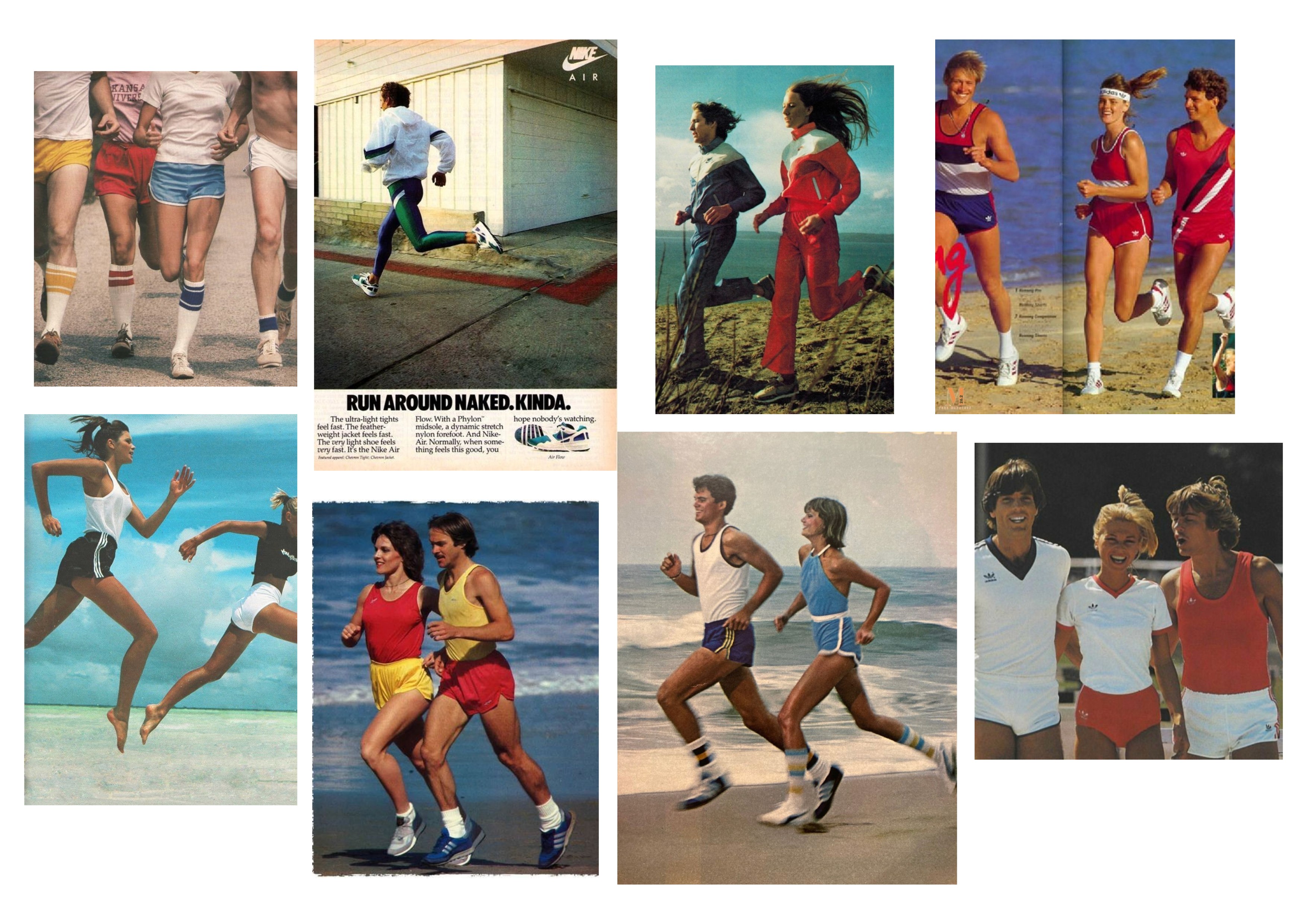
I built a mood board pulling from 1980s running imagery on Pinterest and Cosmos, studying the visual language of that era. The aesthetic is distinctive: saturated primary colors (strong reds, yellows, blues), white contrast piping, shorter shorts, bold geometric patterns. This wasn't the muted earth tones popular today, it was loud, confident, and unapologetic.
Design Development (Analog)
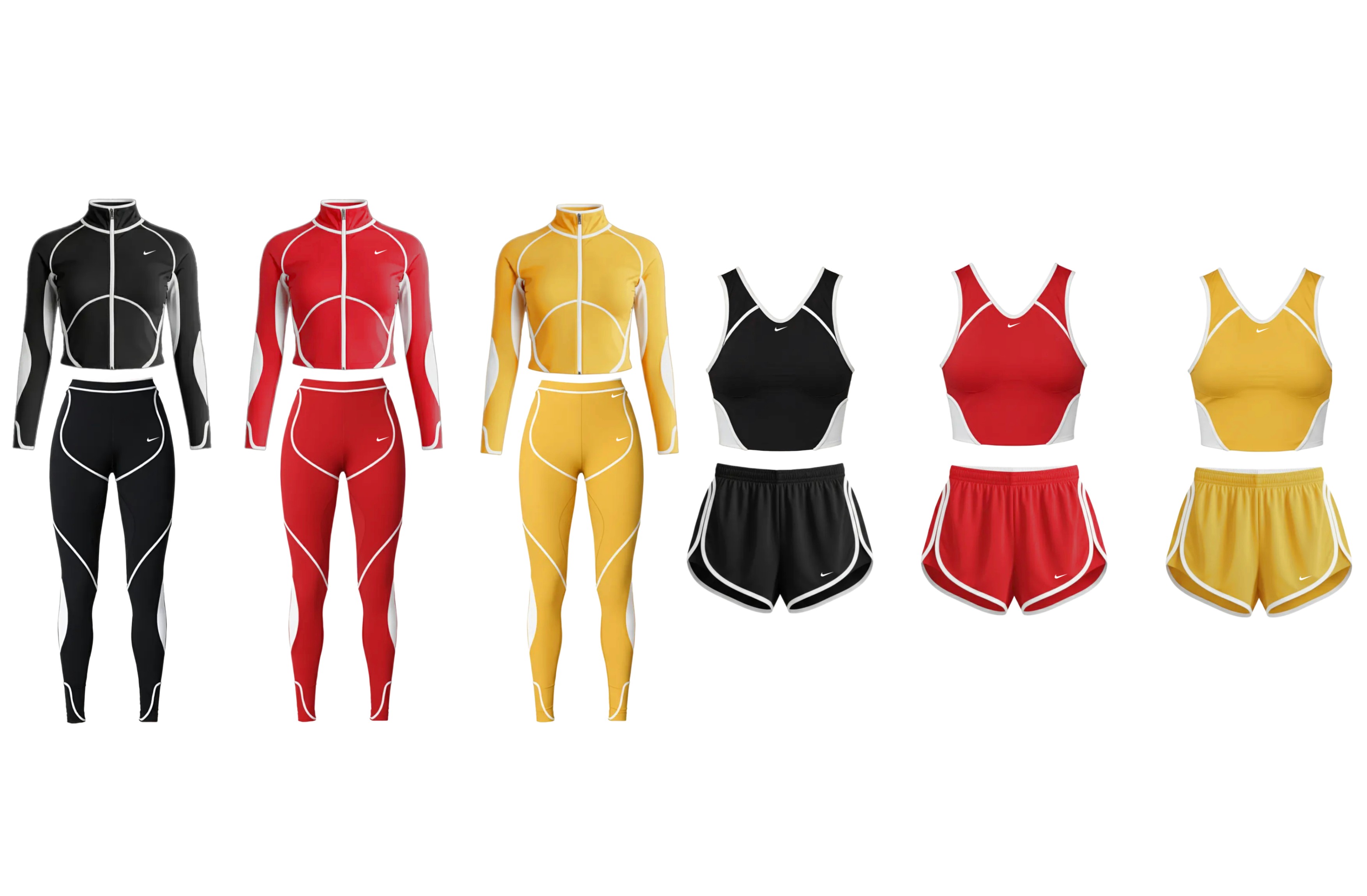
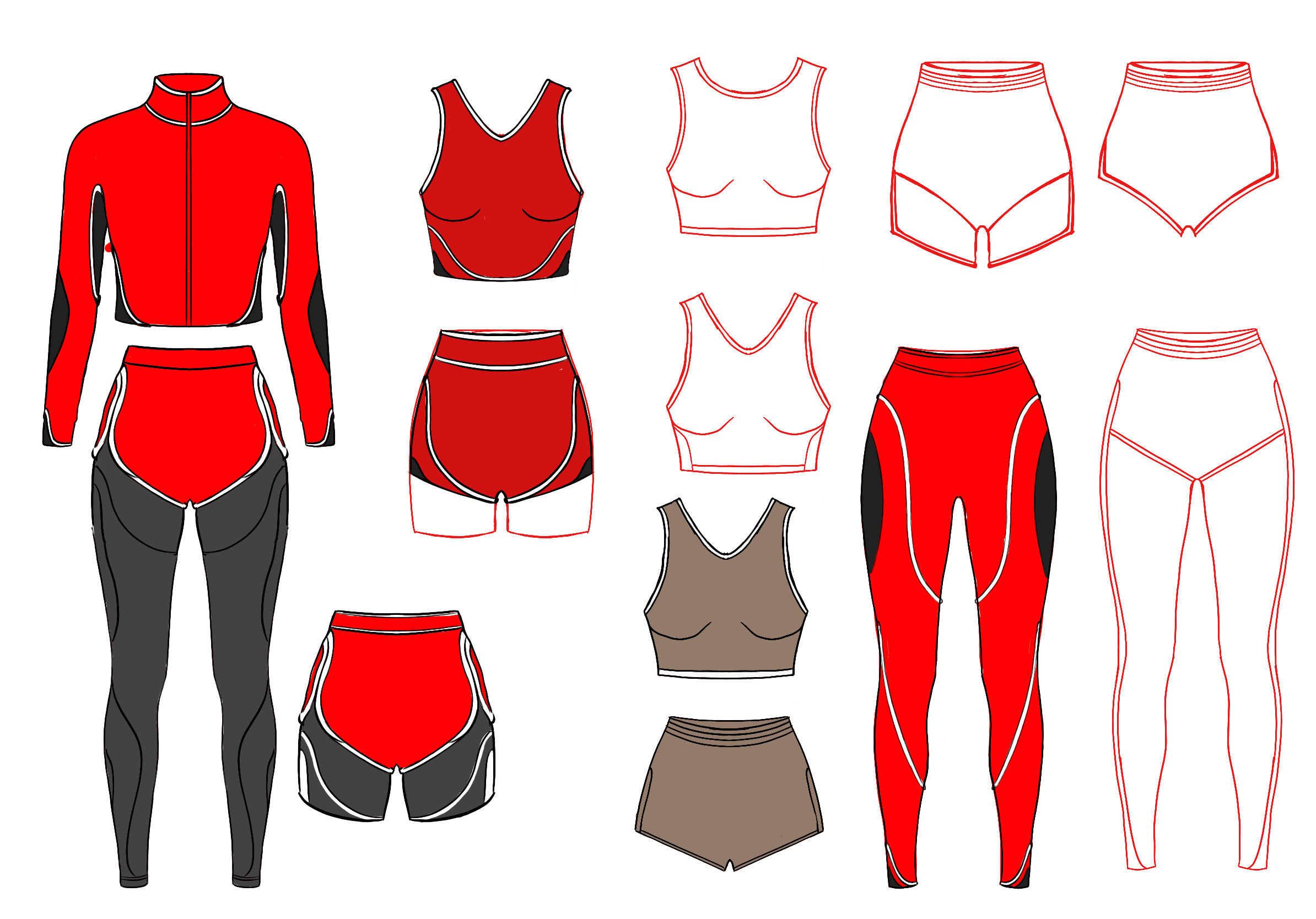
The designs for all the pieces in the collection is done with traditional sketching in Procreate without any AI interference. I designed five pieces:
Compression zip jacket
Running tights/leggings
Athletic shorts
Running singlet/tank top
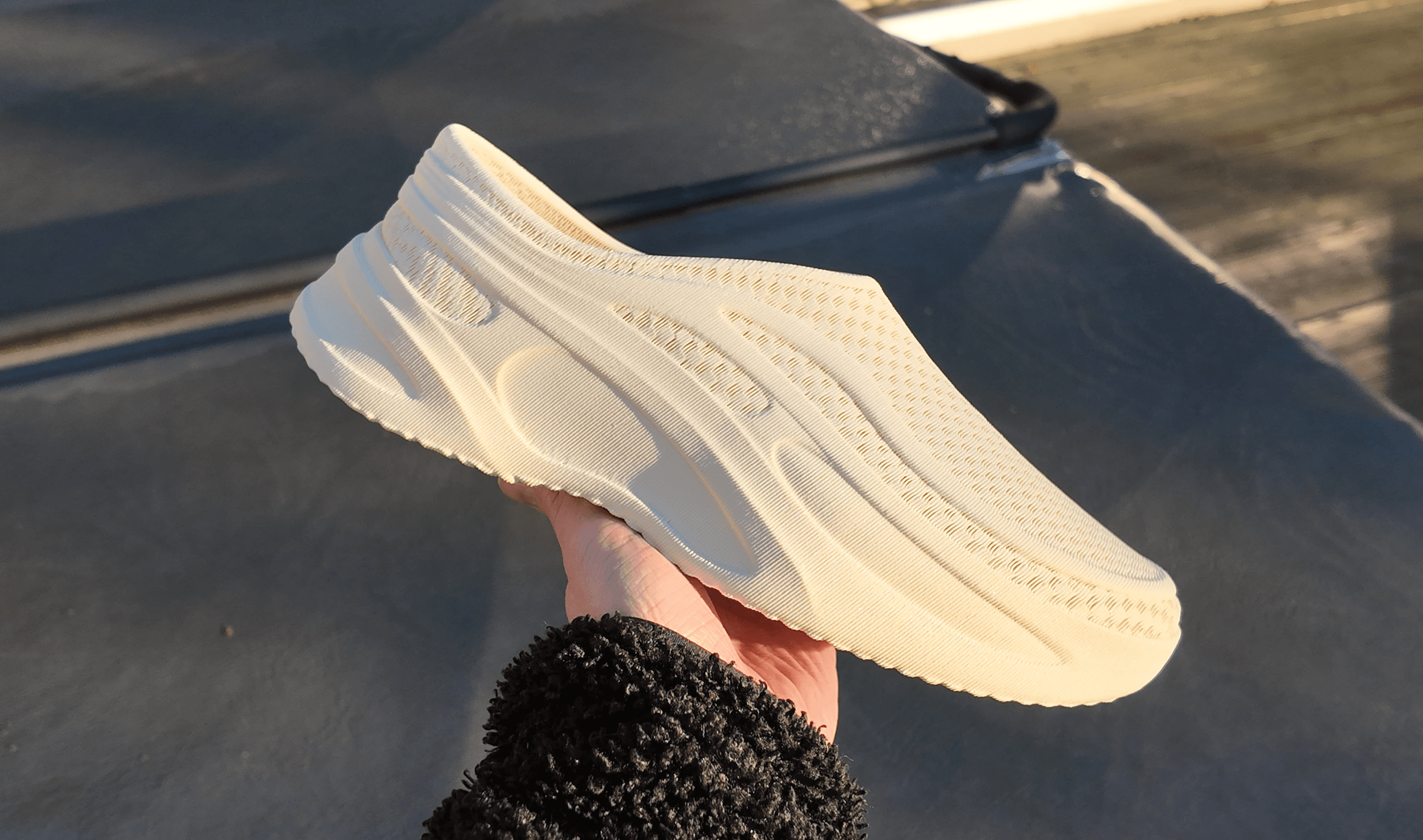
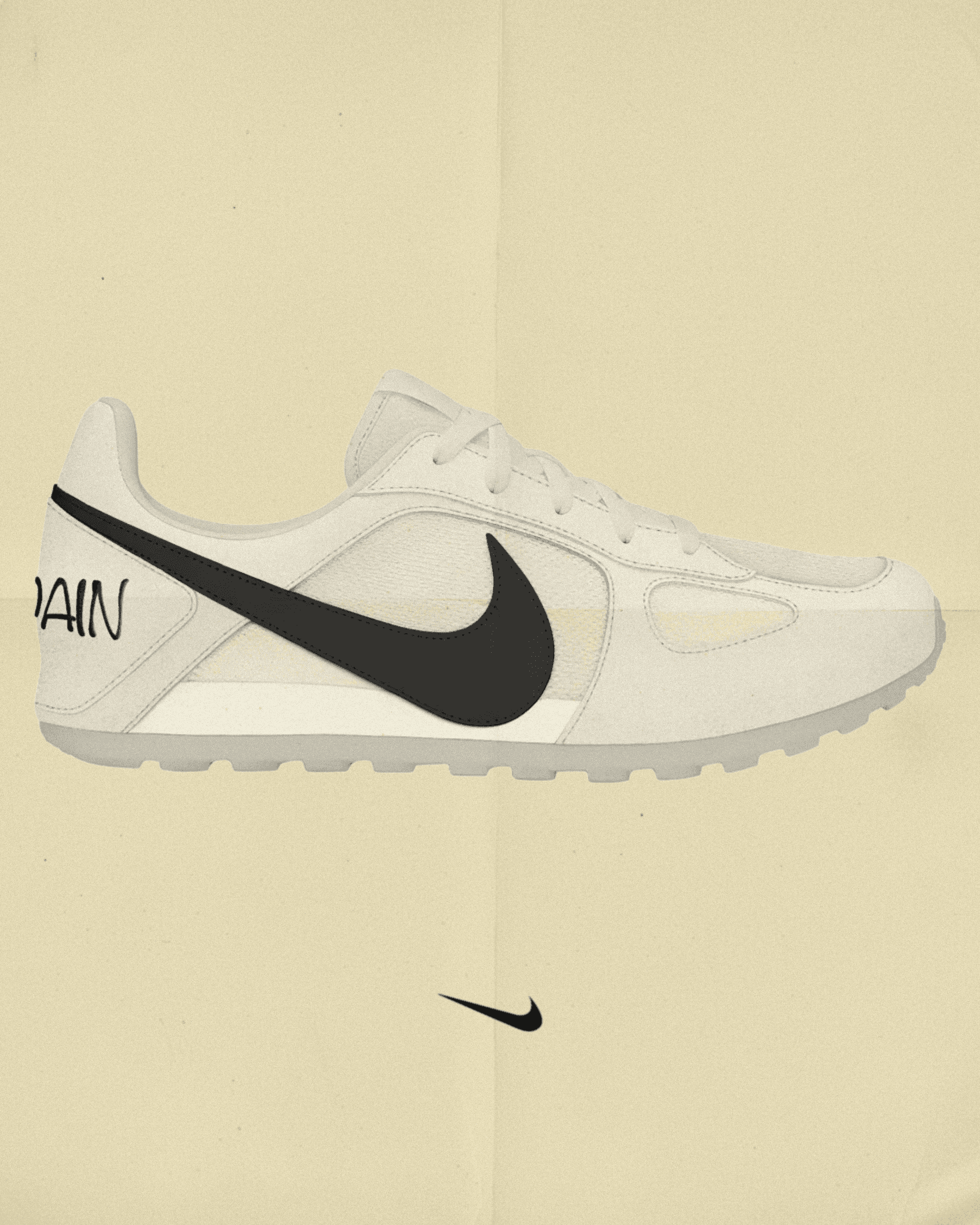
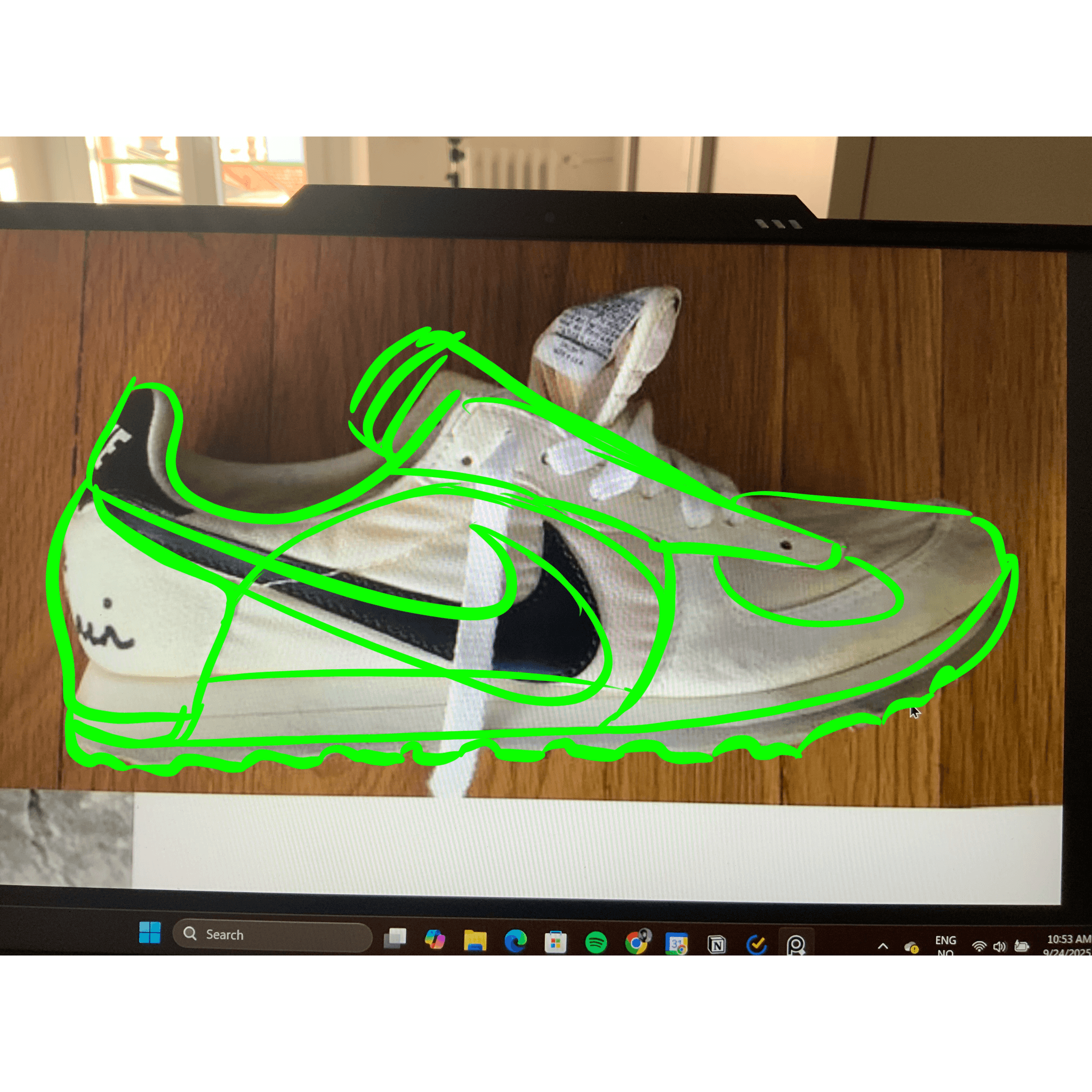
Signature shoe (Nike Audain 1)
The design philosophy was "retro aesthetics, modern garments". Taking contemporary athletic wear silhouettes that are popular in women's running today and applying 1980s visual language. Each piece was designed in three colorways: black/white, yellow/white, and red/white, staying true to the bold, saturated color palettes of Audain's era.
The shoe design holds particular significance in the collection. While Anne Audain was Nike's first female athlete, she never received a signature shoe, just custom-made running shoes adapted to her reconstructed feet. The Nike Audain 1 corrects this historical oversight.
I used her original custom Nikes as the foundation, maintaining the silhouette and key design elements that made those shoes hers, but modernizing the construction, materials, and details for contemporary performance standards. It's a shoe that honors her legacy while imagining what her signature model could have been.
AI Rendering (Vizcom)
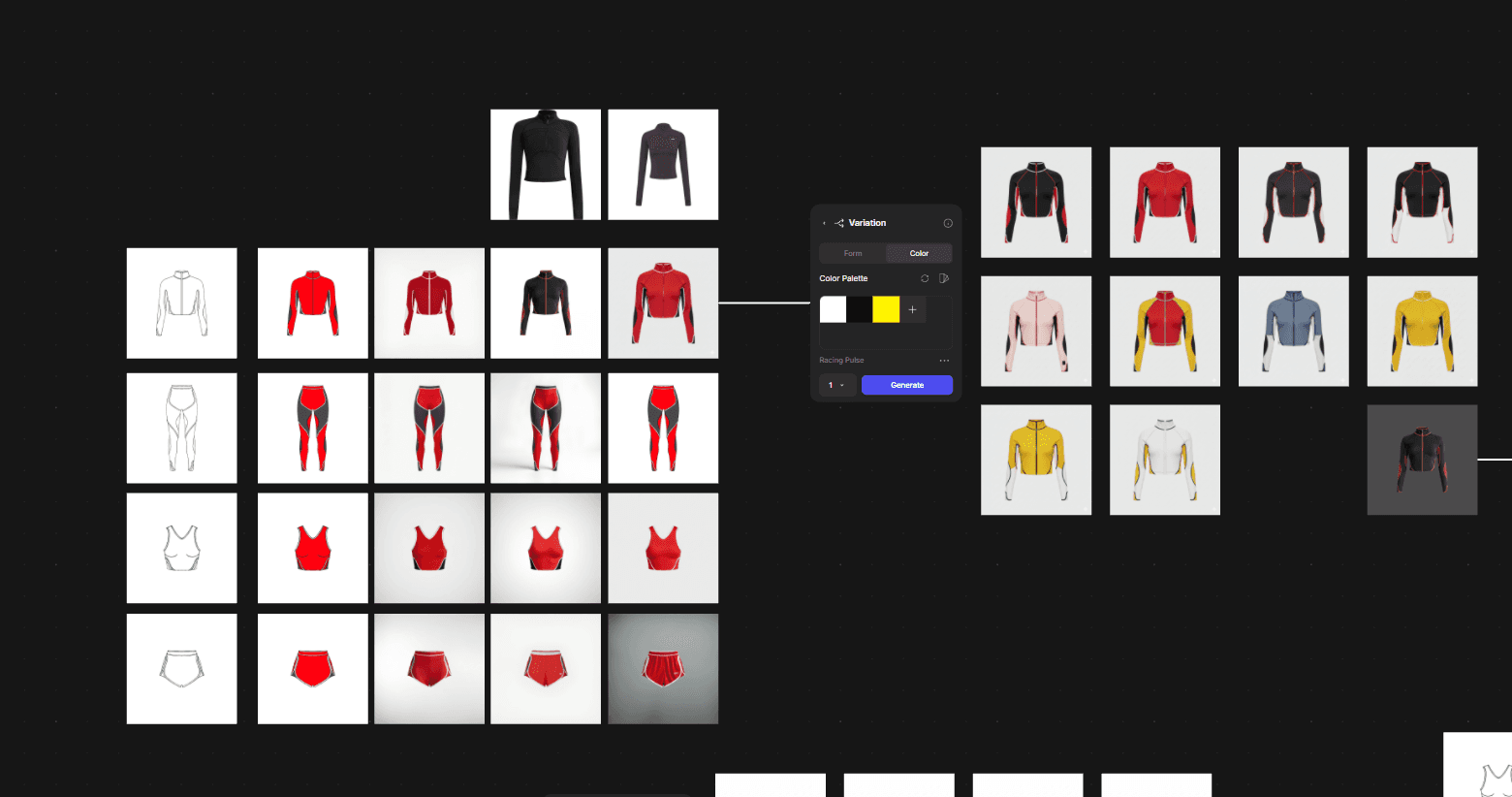
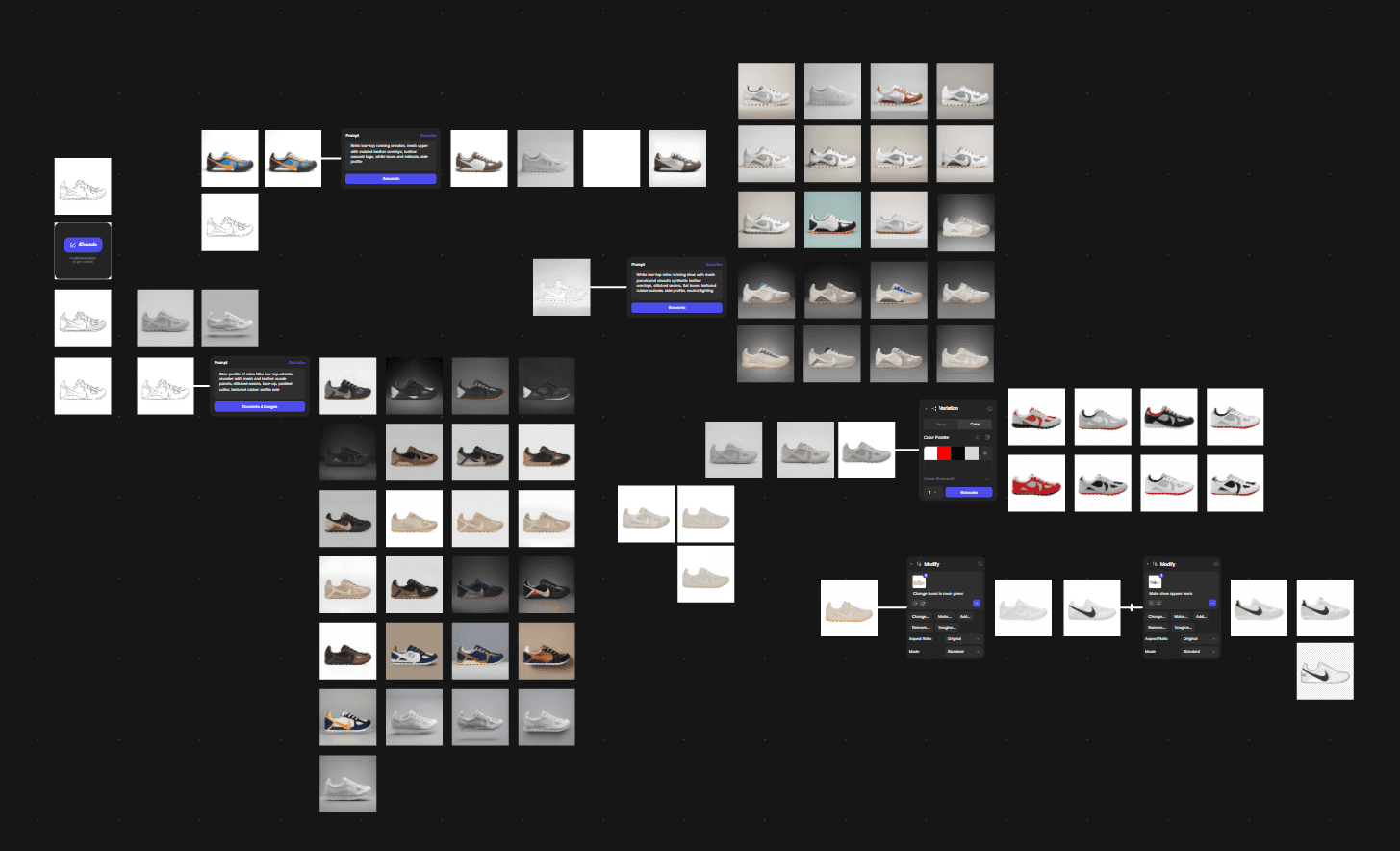
This is where the AI workflow began. I brought my sketches into Vizcom to generate photorealistic garment renderings. This sounds straightforward, but achieving the exact outcome you envision requires significant prompt engineering and parameter adjustment.
I iterated extensively, testing different prompts, adjusting style references, tweaking technical parameters, until the AI output matched my design intent.
Through this process, I generated 100+ images before landing on the final garment visuals. AI accelerates the process dramatically compared to manual 3D modeling and rendering, but it's not automatic. It requires skill, vision, and patience.
Campaign Visual Creation (Midjourney)
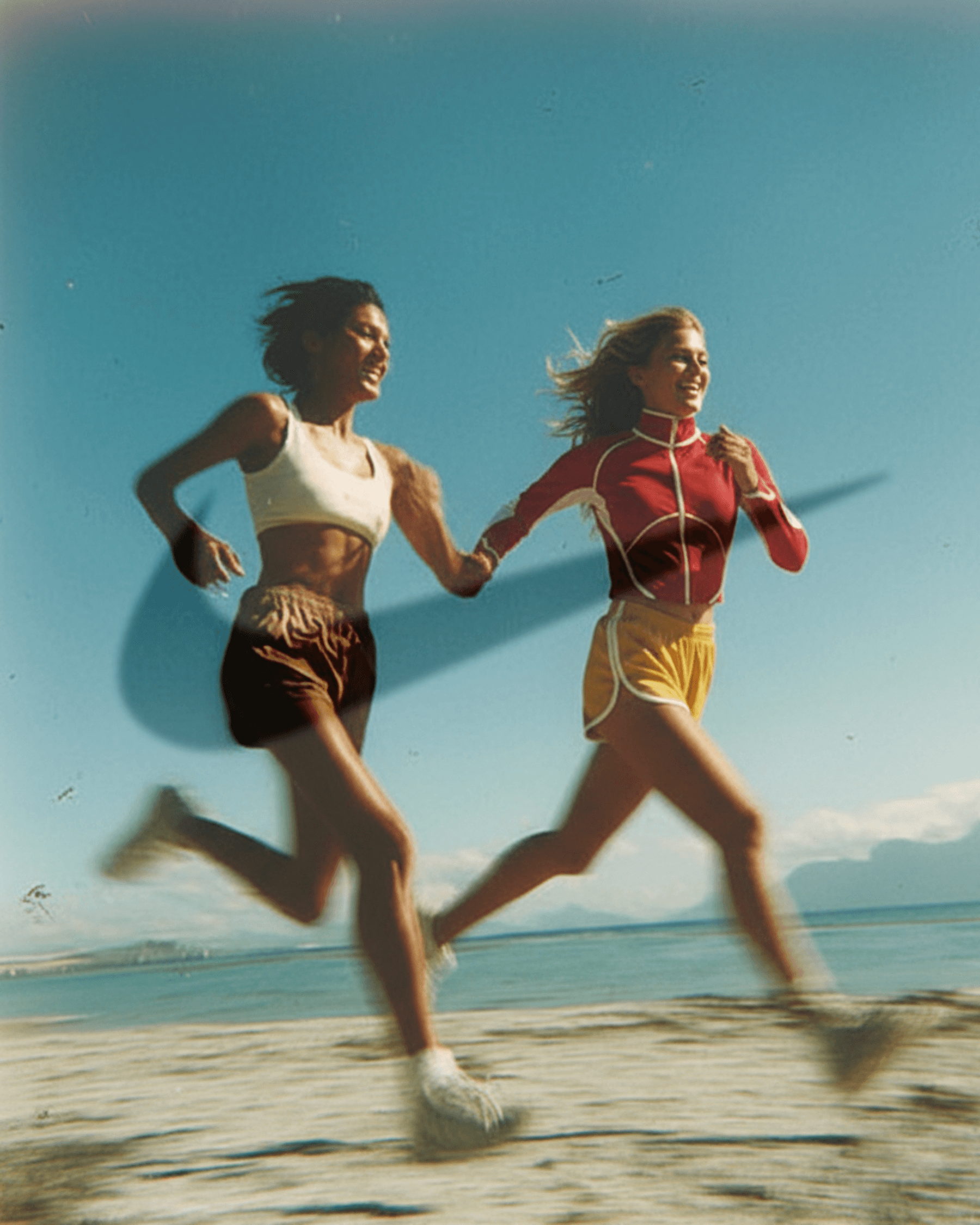
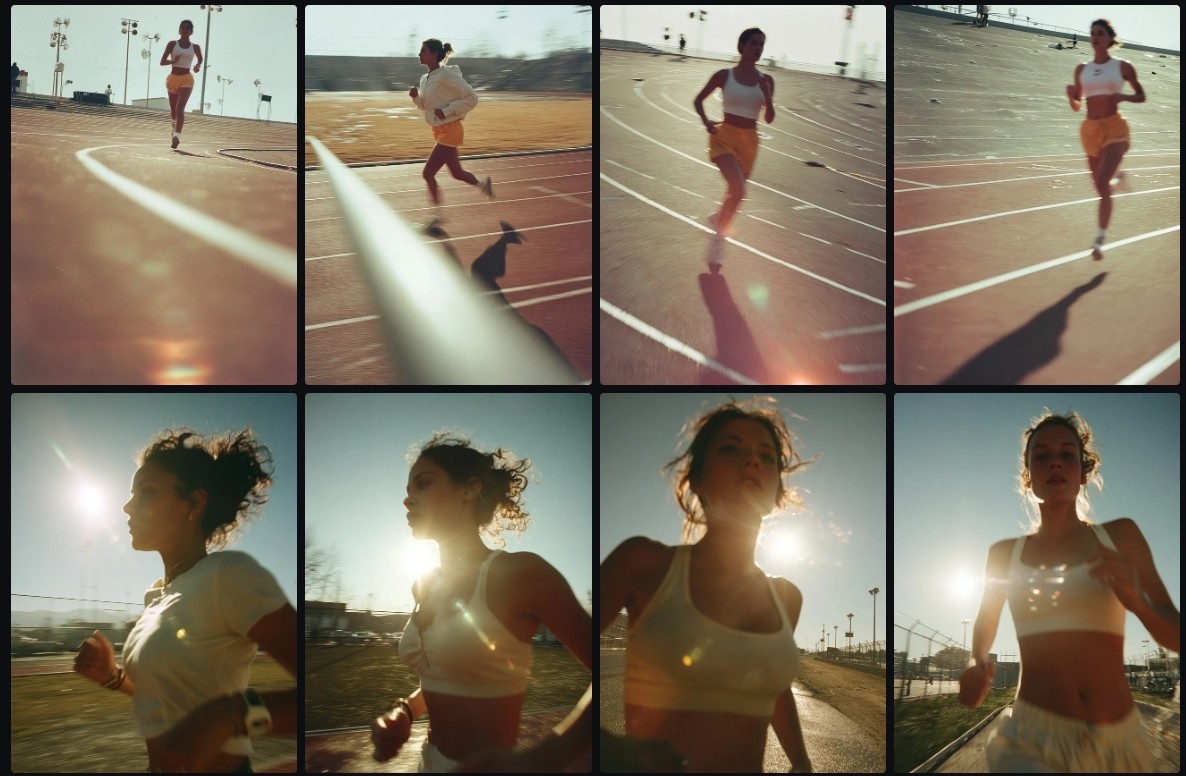
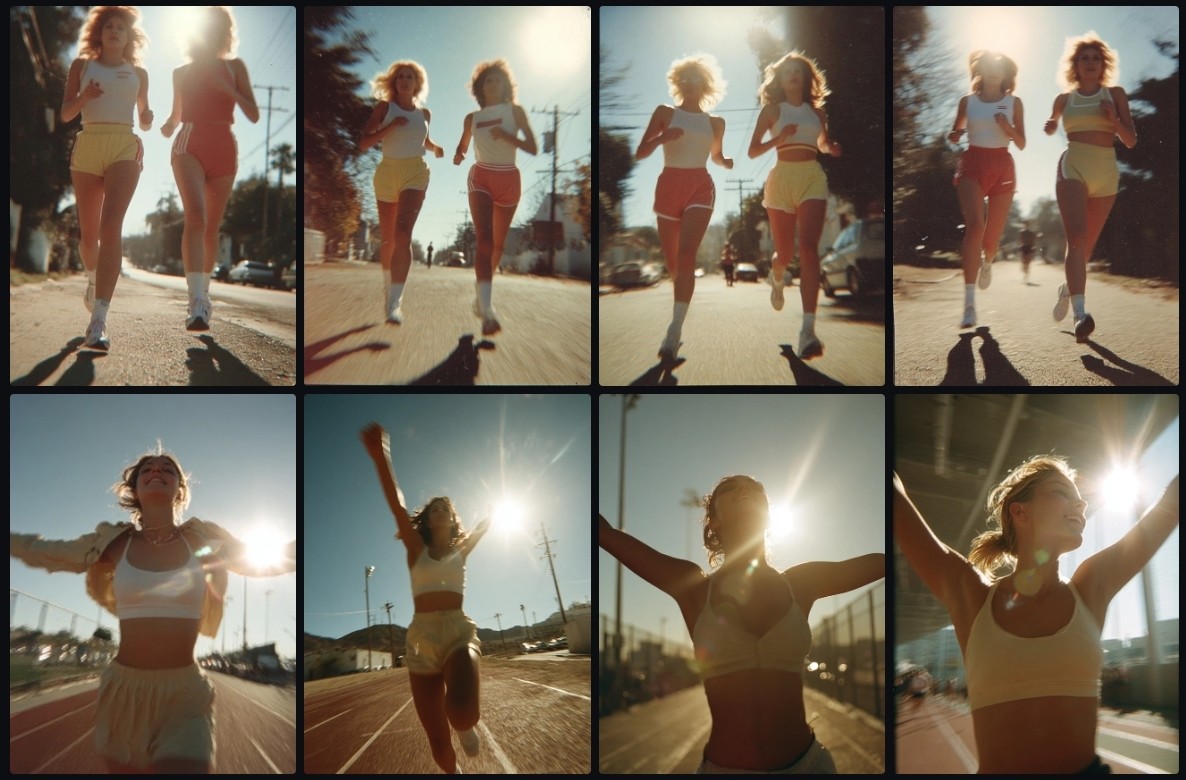
For campaign imagery, I needed visuals that felt authentically 1980s. Images that captured the actual aesthetic, grain, and atmosphere of that era. Midjourney excels at this kind of stylistic generation.
I used archival 1980s runner photography as reference, prompting Midjourney to generate scenes with that specific period aesthetic: the lighting, the film grain, the color grading, the styling, the environmental details.
Composition & Final Campaign (Nanobanana)
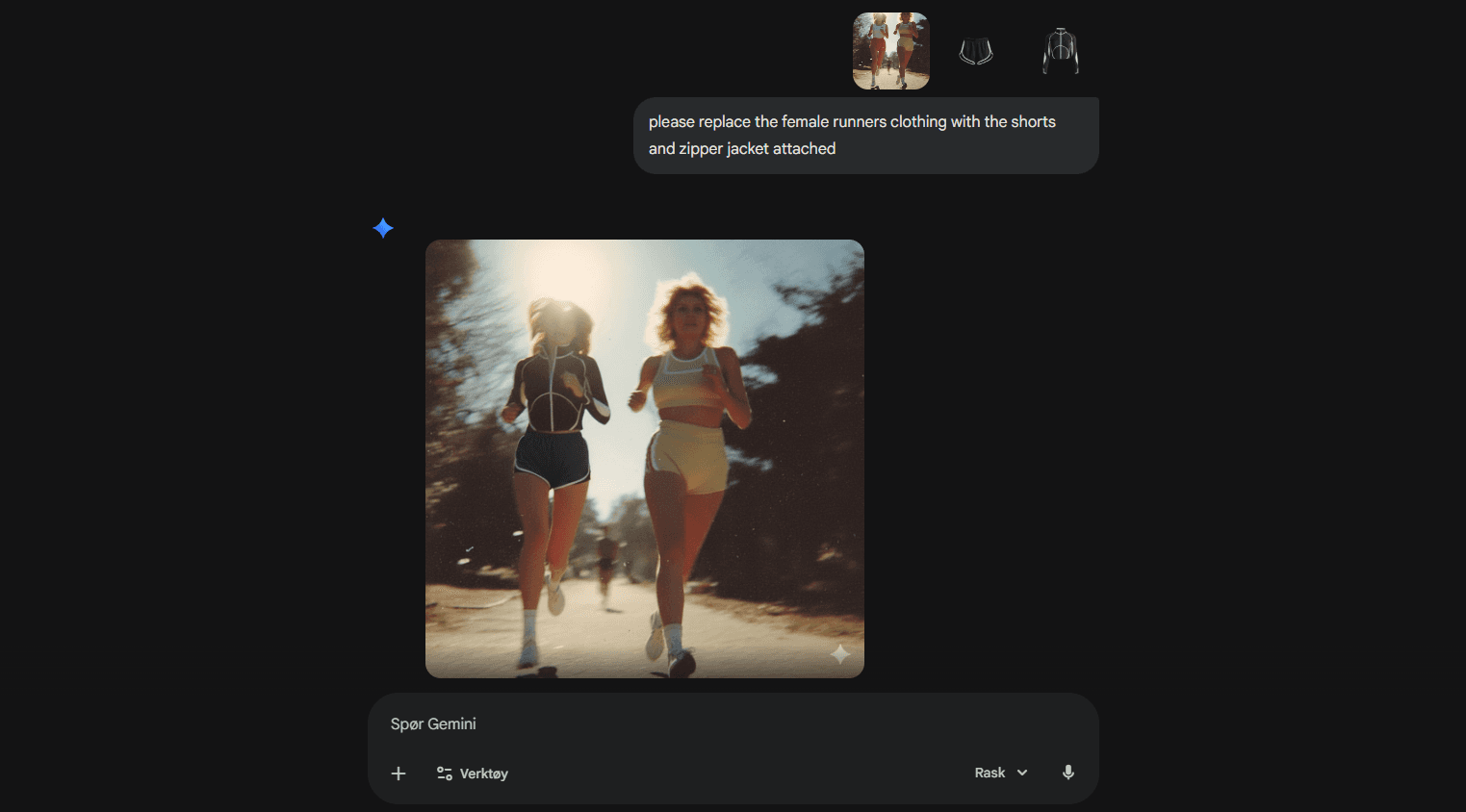
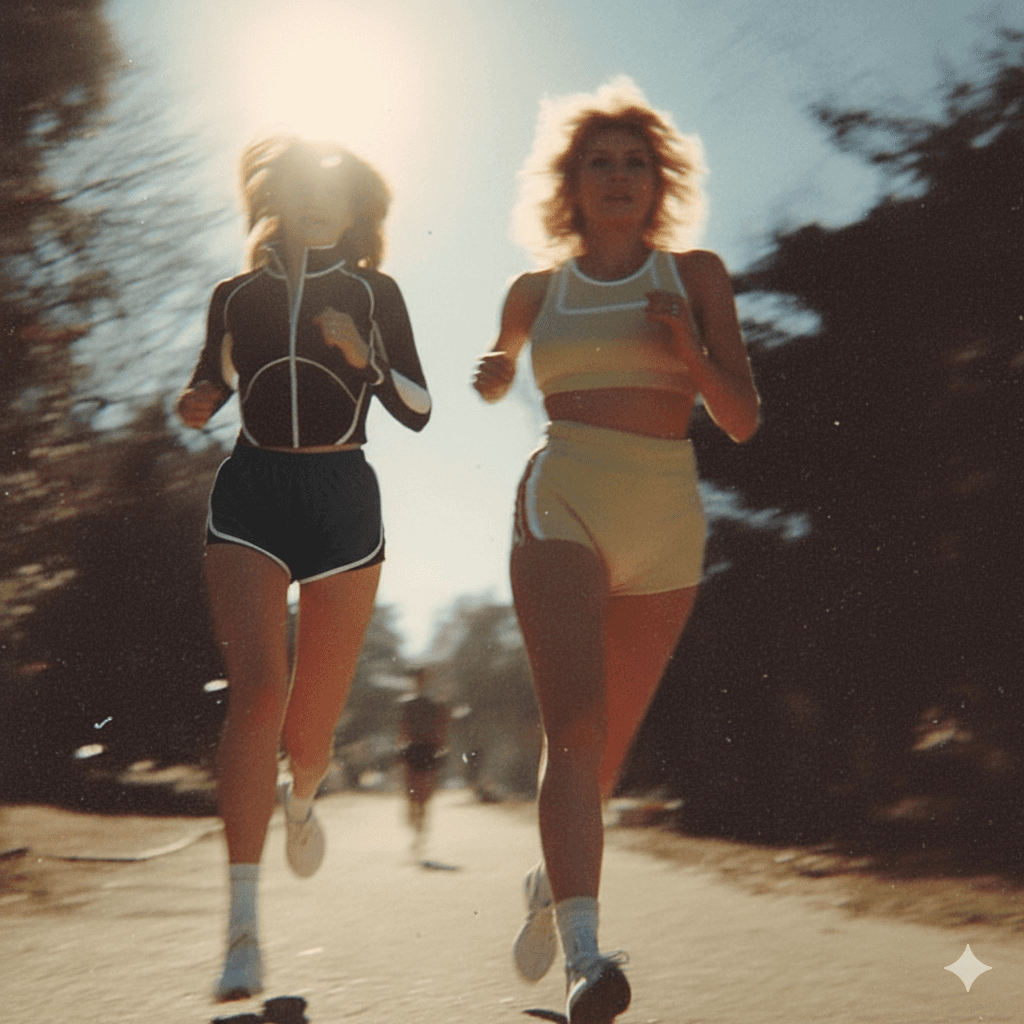
The final step was combining the Vizcom-rendered garments with the Midjourney-generated campaign environments using Nanobanana as an AI-powered composition tool. This allowed me to place my designed pieces onto models in authentic 1980s settings, seeing how the collection would actually look when worn.
Before AI, this would require either: (a) extensive Photoshop expertise and hours of manual compositing work, or (b) actual photoshoots with real garments and styling. AI democratizes this process, removing the technical skill barrier and focusing on vision and communication instead.
Outcome & Reflection
What I Learned:
AI is Production-Ready (Almost): The quality achievable with AI tools today is remarkably close to professional production standards. It's not quite there for every application, but it's closer than most people realize. This project was done in September 2025. As of writing this, it's early December, and in just those 3 months these tools have already improved massively. Within 1-2 years, I expect AI-generated product visualization to be indistinguishable from photography.
AI Lowers Barriers, Doesn't Eliminate Skill: While AI tools make previously difficult tasks accessible, expertise still matters immensely. You need:
Clear vision and intent (knowing what output you want)
Prompt engineering skills (communicating effectively with AI)
Parameter understanding (adjusting technical settings for desired results)
Quality judgment (recognizing good output vs. mediocre)
Tool selection (knowing which AI works best for which task)
This isn't "push button, get resut''.
Workflow Integration is Key: The power came from orchestrating multiple AI tools:
Vizcom for garment rendering
Midjourney for environment generation
Nanobanana for composition
Understanding the strengths and limitations of different tools and how to combine them effectively is a skill in itself.
Storytelling Elevates Design: This collection isn't necessarily groundbreaking aesthetically. I intentionally stayed within Nike's conservative design language. What makes it compelling is the story behind it. Anne Audain's legacy gives the design meaning and context. Product design without narrative is just aesthetics; product design with purpose becomes memorable.
Speed vs. Iteration: AI dramatically accelerates certain parts of the process, but I still generated 100+ images to reach the final results. The time savings isn't in reducing iterations, it's in making each iteration faster, allowing more exploration within the same timeframe.
What I'd Change:
Looking back, the designs themselves might be too safe. I was cautious about staying within Nike's conservative product language, but I could have pushed further on pattern, blocking, or structural details while still honoring the retro aesthetic. Sometimes constraint can become limitation.
Broader Impact:
Beyond the specific collection, this project represents a shift in how design can work. AI tools are democratizing visualization. You no longer need years of Photoshop expertise or 3D rendering knowledge to communicate design ideas visually. This fundamentally changes who can participate in design and how quickly ideas can be explored and communicated.