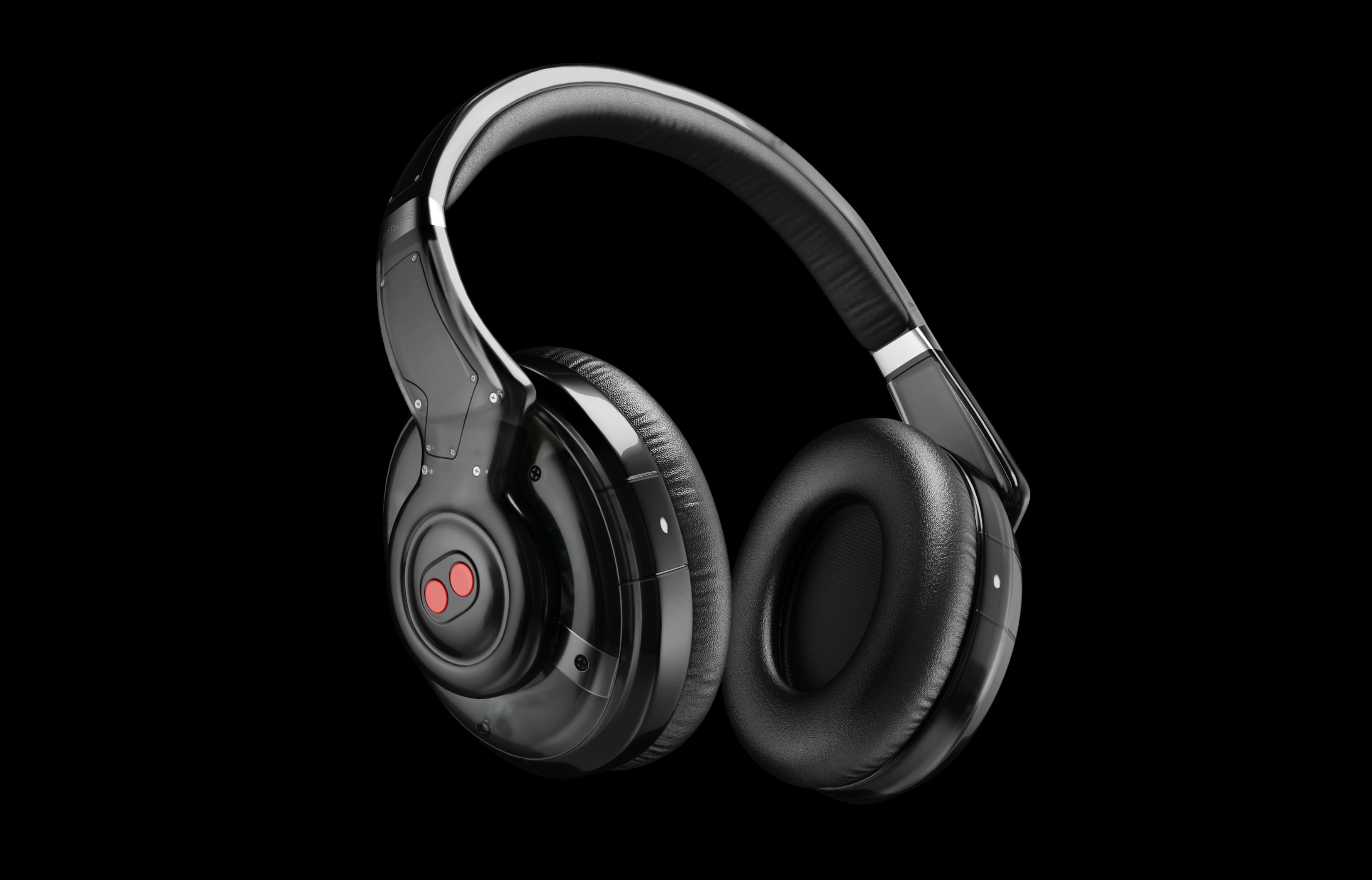
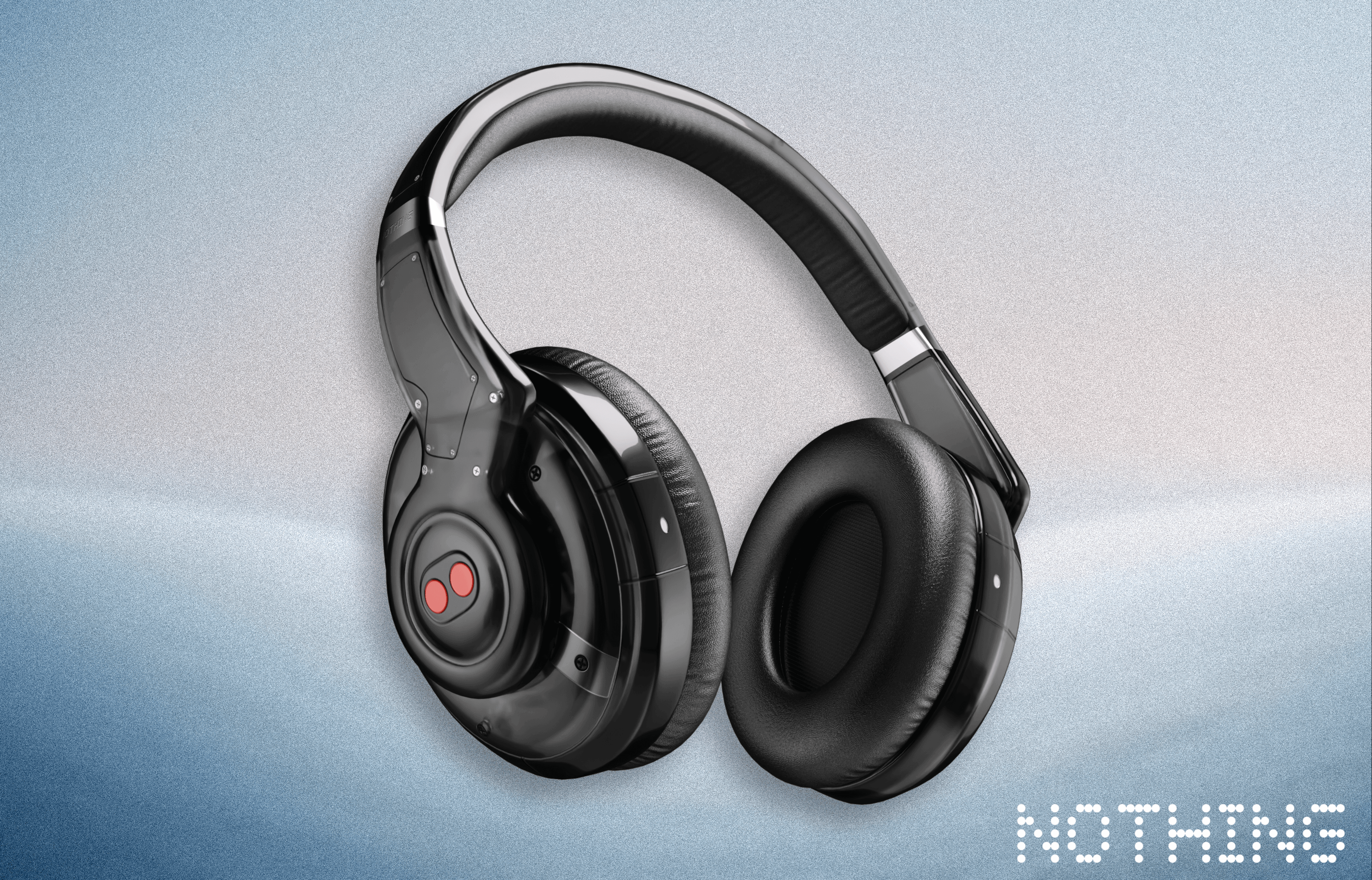
NOTHING Headset Concept
Intro
When NOTHING launched with their distinctive transparent aesthetic, I was immediately drawn to their design language. It was a nostalgic callback to translucent Game Boys and early iMacs, but filtered through a contemporary, sci-fi lens. The problem? They only made earbuds, and I'm a headset person. Rather than wait for NOTHING to fill that gap, I took it as a design challenge: How would I translate their established visual identity into over-ear headphones?
This personal project became an exercise in brand translation, 3D technical execution, and pushing my rendering capabilities to create photorealistic product visualization.
Skills:
Creative Direction
Ideation
Sketching
3D Modeling
Texturing
Rendering
Product Design
Year
/
2025
Personal Project
Consumer Tech
The Challenge
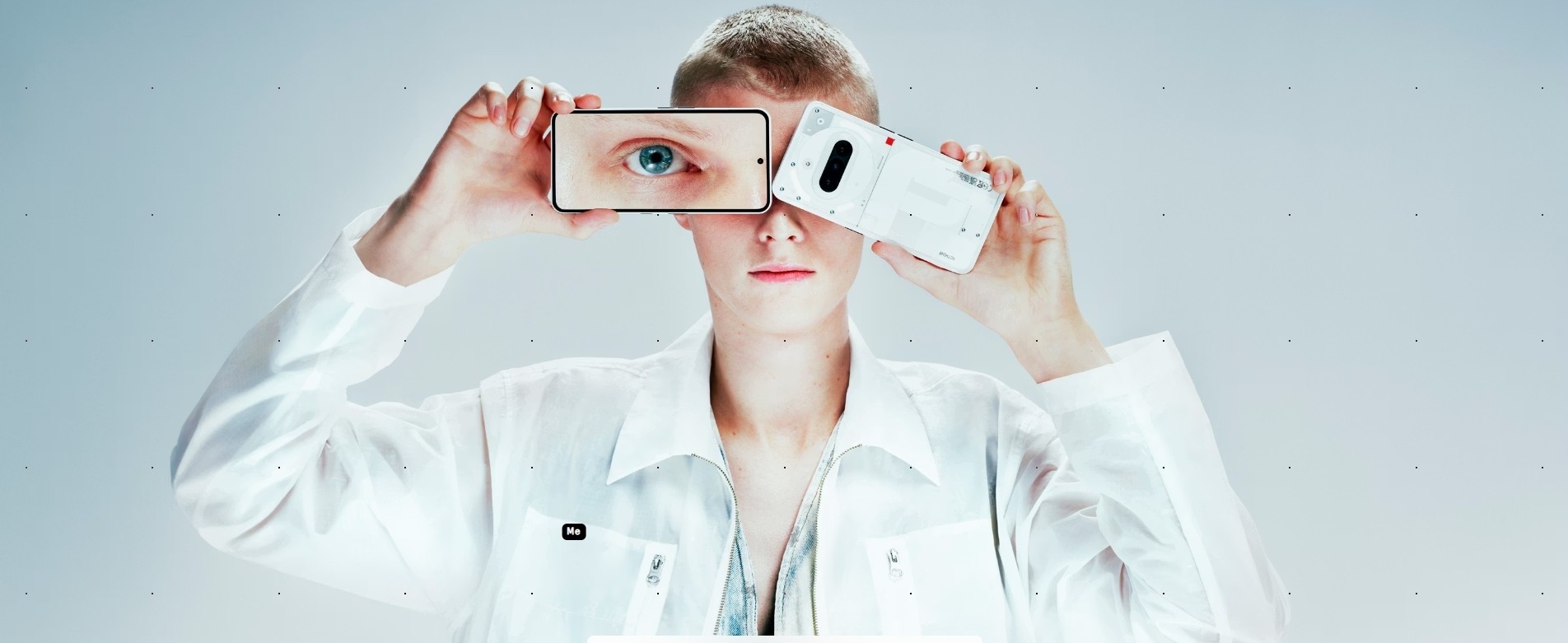
Design a pair of over-ear headphones that feels authentically NOTHING, respecting their tight design system while adapting it to a new product category. The challenge wasn't to revolutionize headphone design, but to prove I could work within and extend an existing brand language while creating something I'd actually want to own.
The Concept
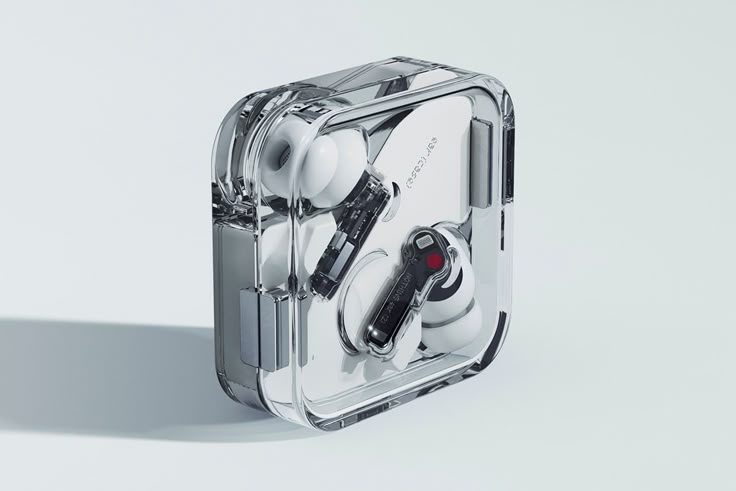
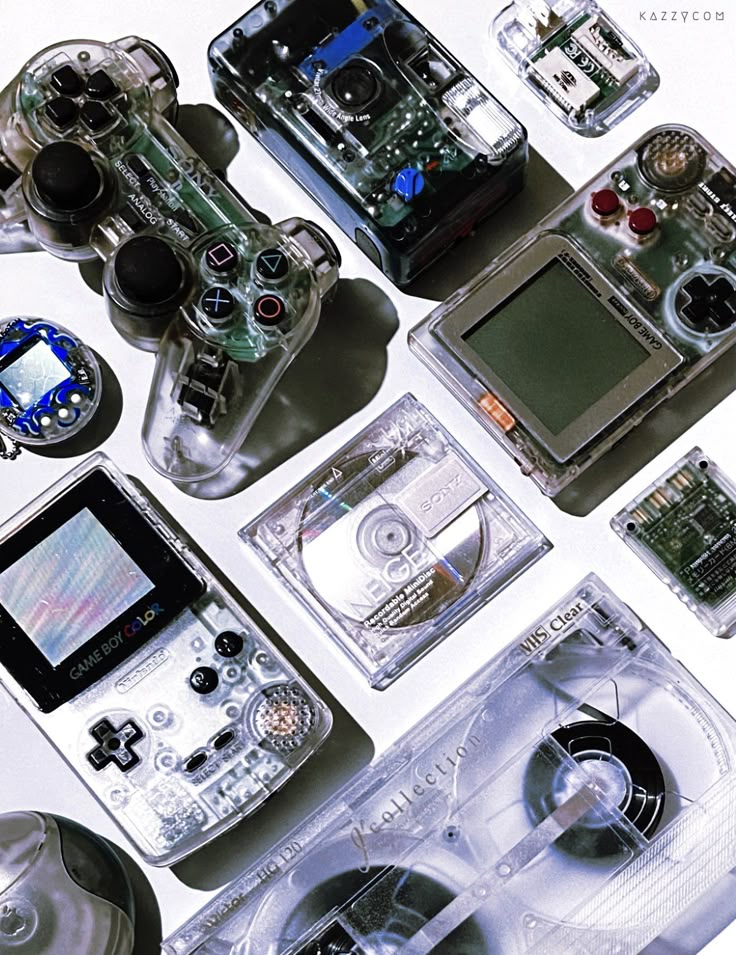
NOTHING's aesthetic occupies a unique space in consumer electronics. They reference:
Early iMacs and transparent plastics
90s Sony hardware
Game Boys and retro electronics
NASA-like technical labeling
Industrial prototypes and exploded engineering views
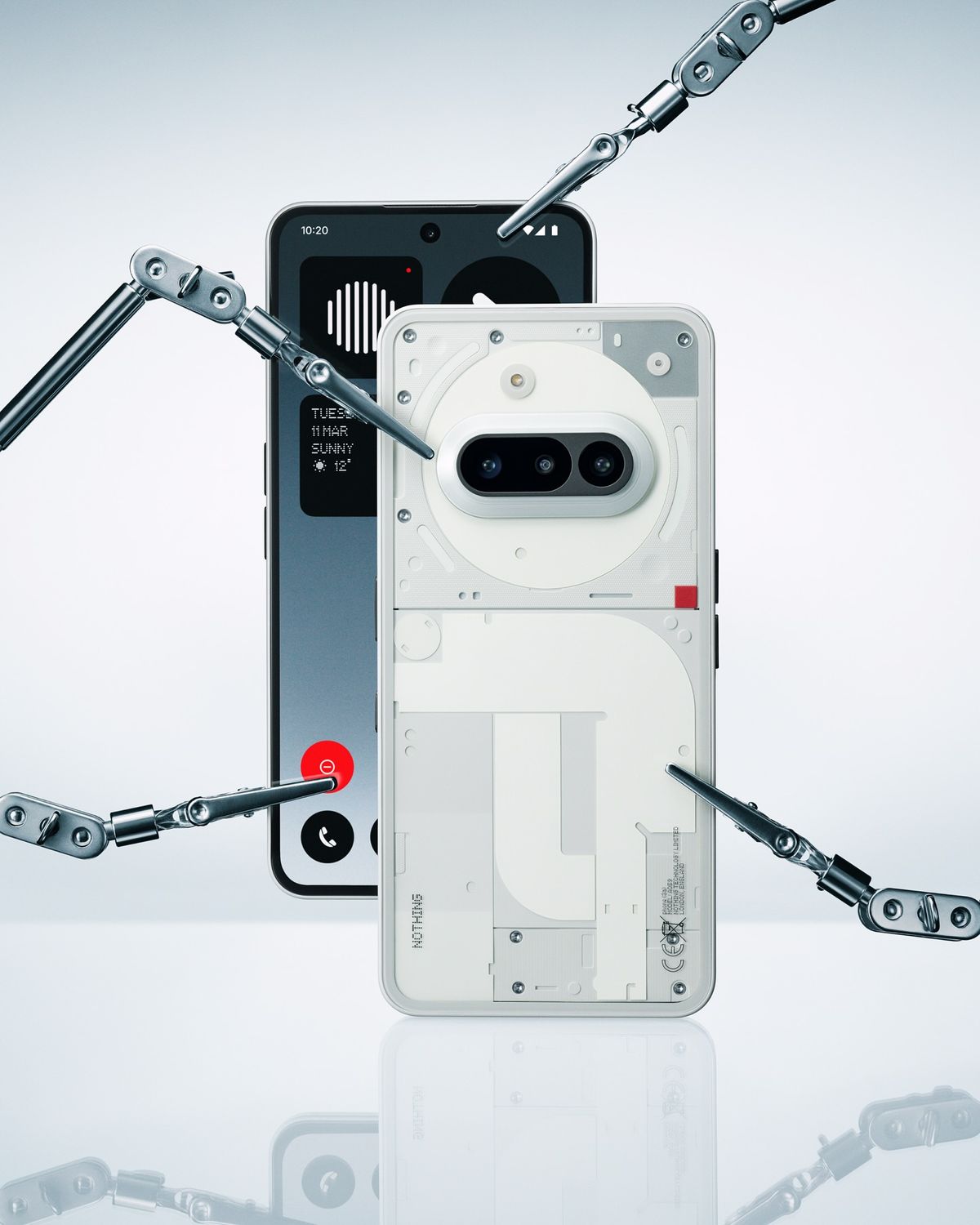
But they avoid feeling "vintage" by filtering these references through clean, contemporary forms. The result feels like a future where hardware is honest again, where technology doesn't hide behind sleek aluminum, but celebrates its inner workings.
NOTHING's Design System:
Transparency as the primary material language
Geometric organization of internal hardware
Circular motif language
Red accent color
Monochrome palette
Exposed screws and fasteners
My concept needed to honor all of these elements while solving for comfort, functionality, and the unique ergonomics of over-ear headphones.
Design Process
Research & Brand Immersion
I began by studying NOTHING's existing product line, identifying the consistent visual language and underlying design principles. I also researched retro headphone designs, particularly Sony & Panasonic's iconic models from the 90s, looking for forms that could bridge nostalgia with contemporary comfort.
The goal was understanding what makes something feel "NOTHING" at a fundamental level, beyond just surface transparency.

Form Exploration
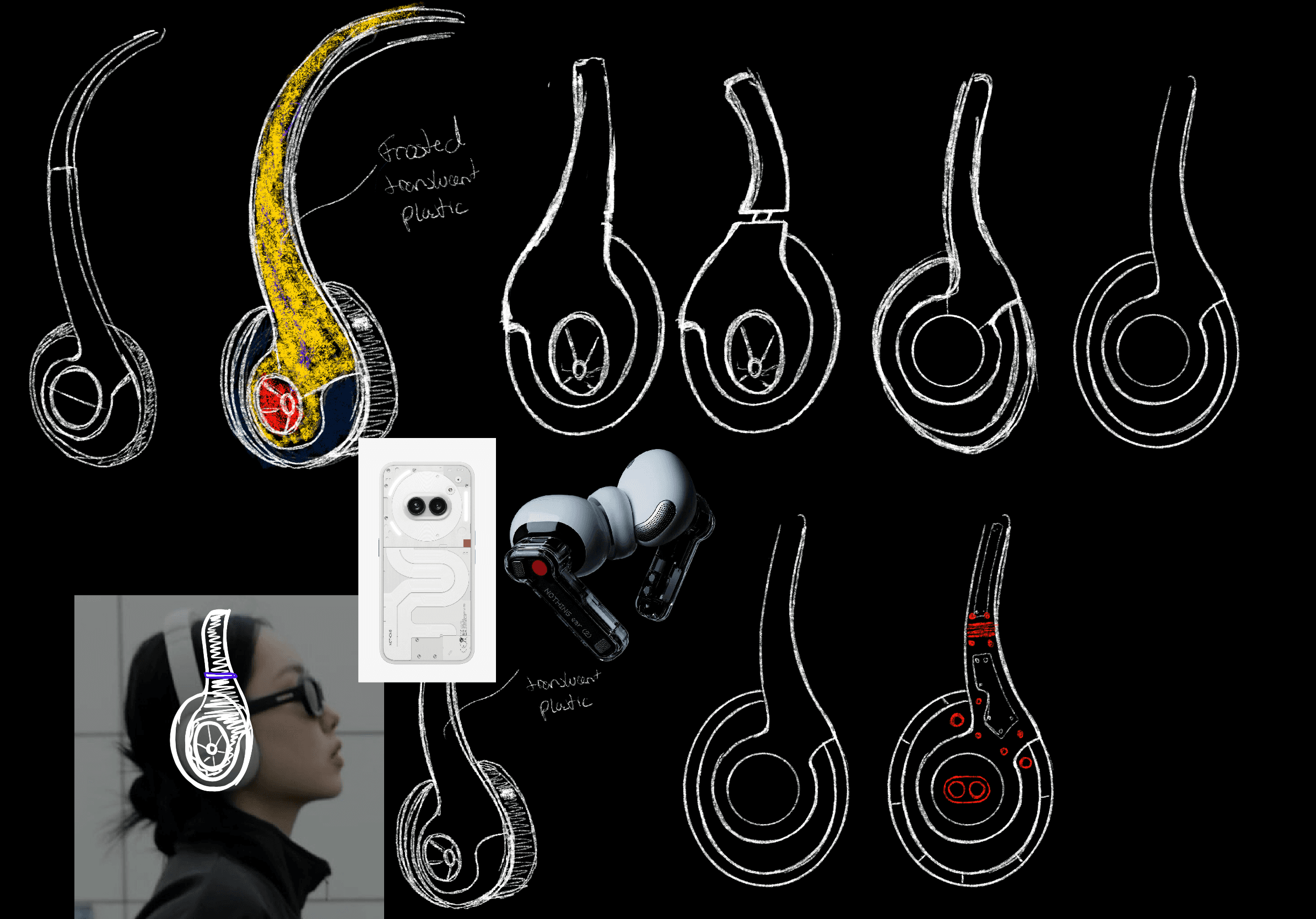
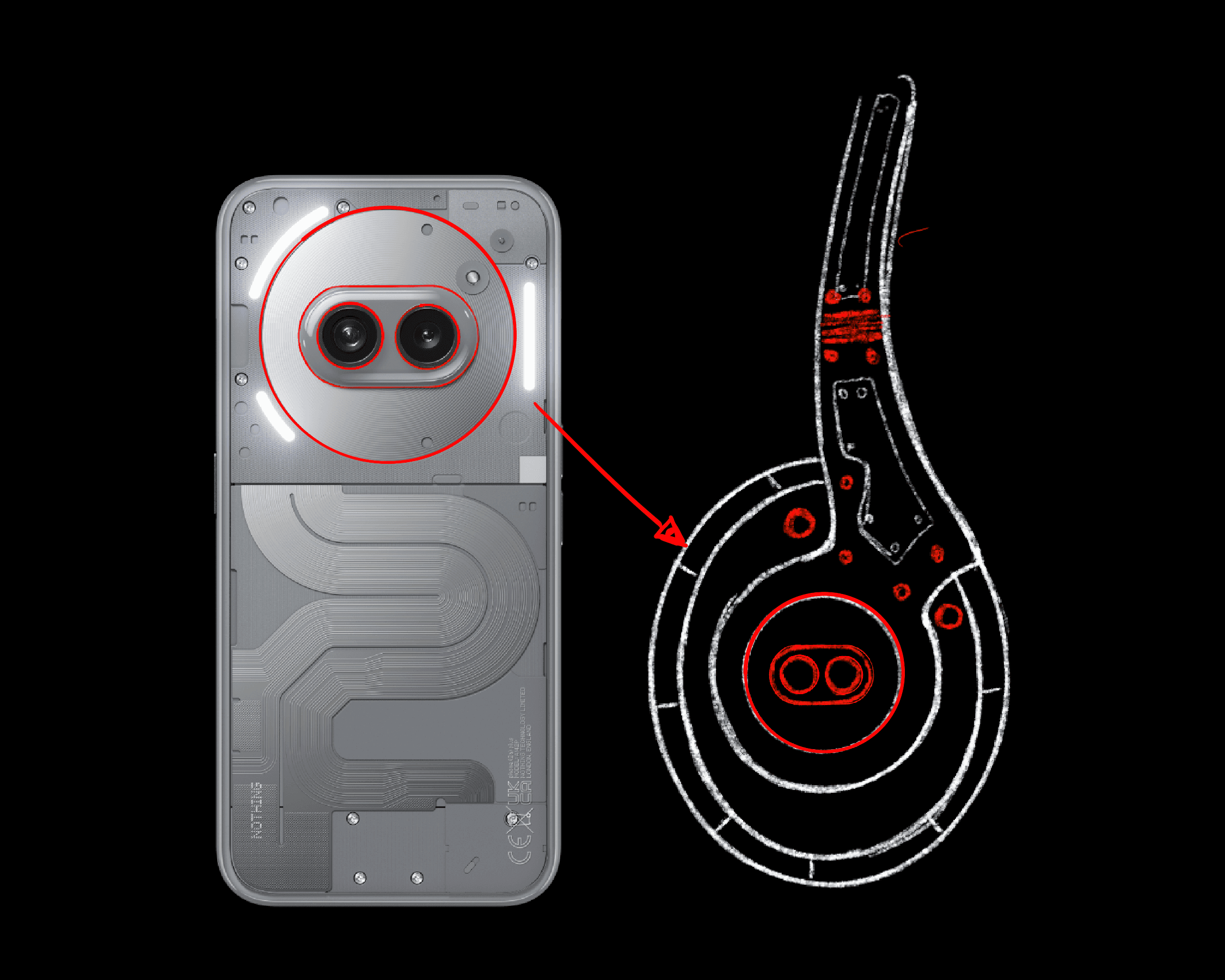
Initial sketches explored various headband structures, ear cup shapes, and how to incorporate NOTHING's circular motifs. The challenge was finding a form that felt bulky enough for comfort (my personal preference) while maintaining the clean, geometric quality of NOTHING's aesthetic.
I referenced Panasonic's classic on-ear headphones, translating that retro silhouette into modern over-ear proportions. Early sketches tested different ways to integrate the circular camera-inspired elements and where to place the signature red accent.
AI-Assisted Visualization
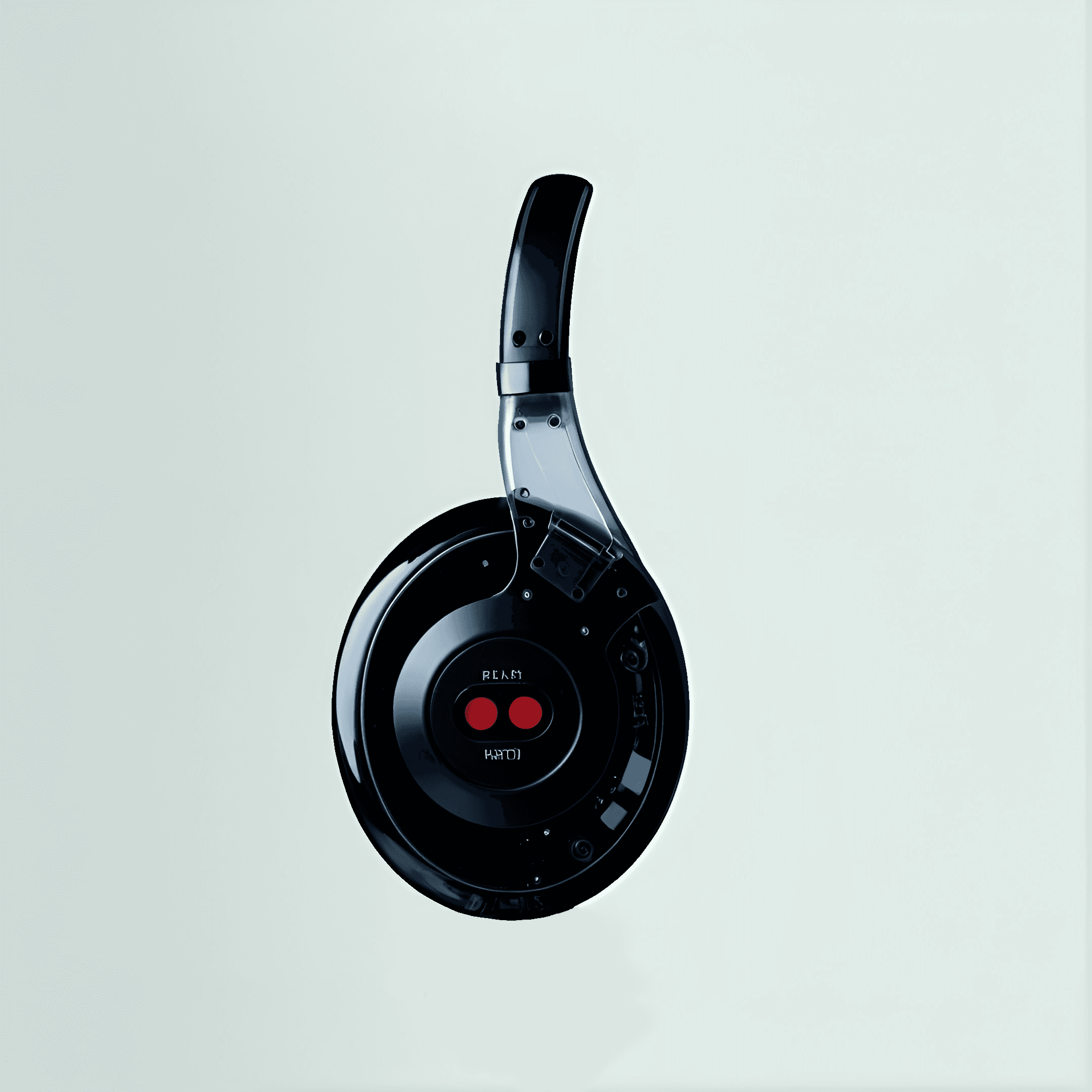
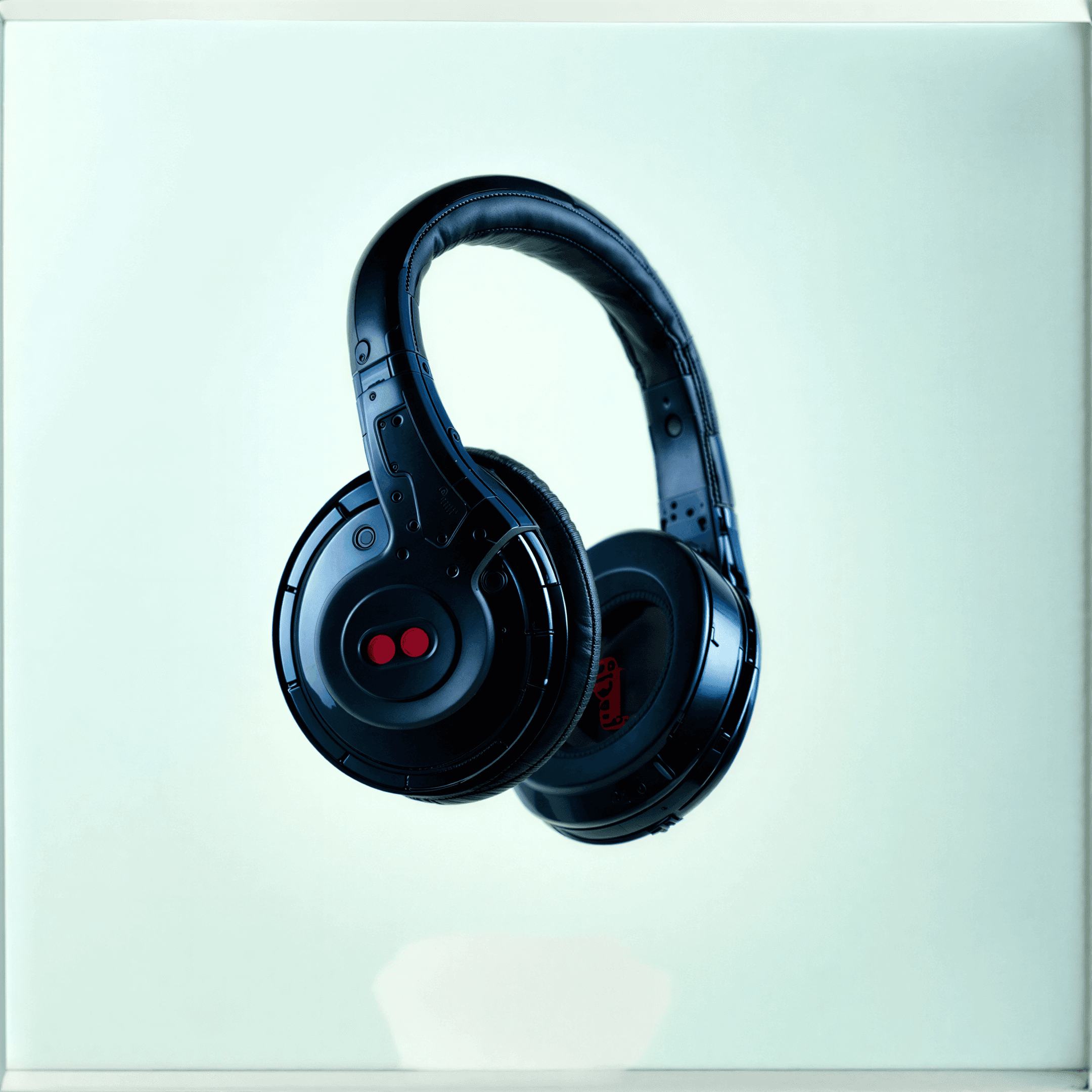
Using Vizcom, I rapidly visualized sketches to test material relationships and small details before committing to full 3D modeling. The AI renderings helped me understand how translucent plastic would interact with internal components, how much transparency was too much, and where matte finishes would create necessary visual breaks.
This phase was about fast iteration, testing dozens of variations in materials, details, and proportions without the time investment of full 3D modeling.
3D Modeling & Technical Development
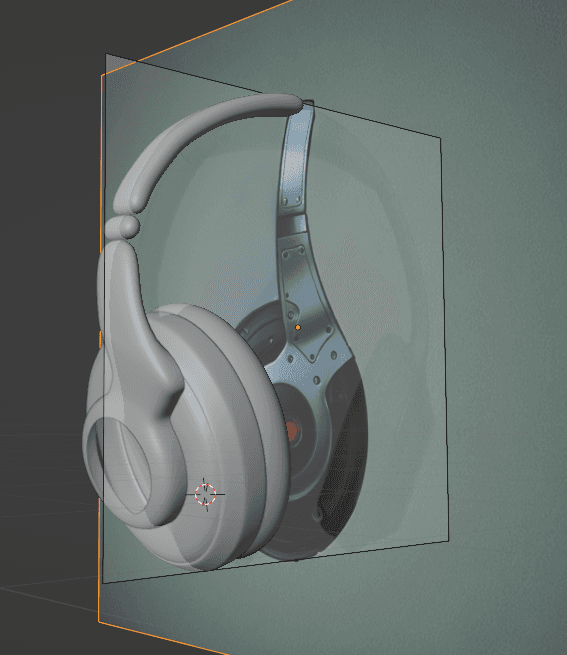
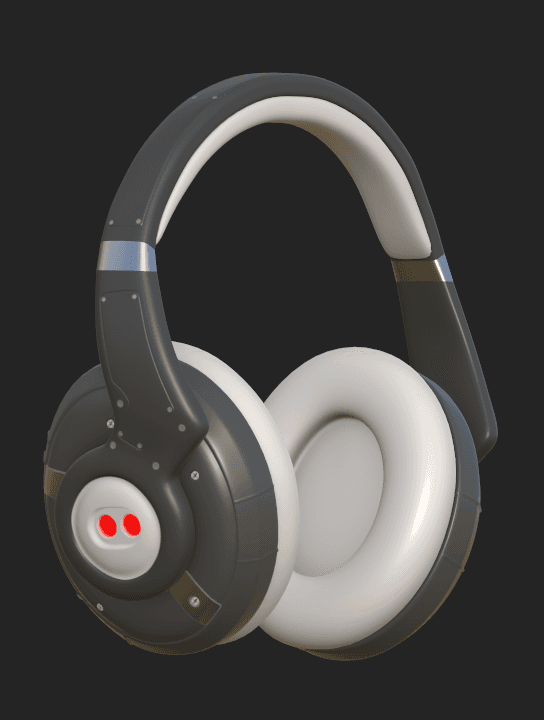
With a clear direction established, I modeled the headphones in Blender, focusing on accurate proportions and details that would read in close-up renders.
The model includes:
Oval-shaped ear cups with comfortable, larger ear pillows
Circular attachment point for the headband arm (continuing NOTHING's circular motif)
Two prominent red circular elements on each ear cup, referencing the NOTHING phone camera design while functioning as control buttons
Exposed screws and adjustment mechanisms
Translucent plastic housing revealing internal components
Matte headband creating contrast against the transparent body
Metallic detailing on screws and adjusters
For the internals visible through the transparent housing, I sourced and adapted circuit board models, though in retrospect I would spend more time custom-designing these components to be more headphone-specific.
Texturing & Photorealistic Rendering
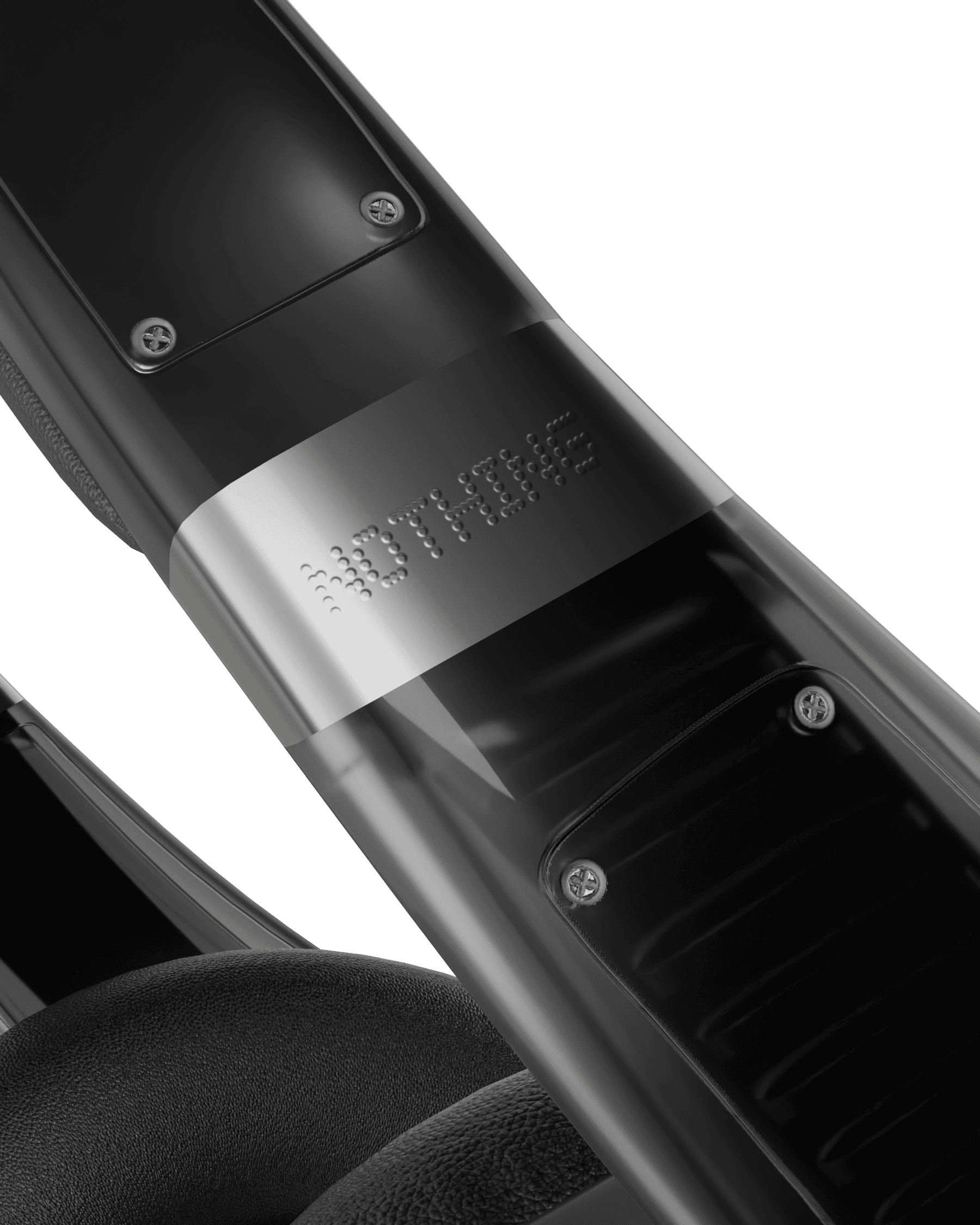
This is where the project came together technically. Using Adobe Substance Painter, I created detailed texture maps including:
Normal maps for surface irregularities
Manually placed screws with proper material properties
Subtle wrinkles and creases in the ear cushions
Realistic plastic translucency with proper subsurface scattering
Metallic finishes on hardware with accurate reflectivity
The rendering setup in Blender Cycles used a three-point studio lighting system; key light, fill light, and backlight, to create dramatic contrast and showcase the transparent materials. In some renders, I removed the backlight intentionally, allowing the darker background to create sharper reflections in the plastic, adding depth and visual interest.


Outcome & Reflection
A few months after completing this concept, NOTHING released their actual first headphones. While validating that there was market demand, their design took a different direction; thinner ear cups and square-shaped housings that, in my opinion, don't quite capture the brand's aesthetic as successfully as their other products.
What I Learned:
Brand Translation is a Skill: Taking an established visual language and adapting it to a new product category requires deep understanding of underlying principles, not just surface aesthetics.
Working Within Constraints is Creative: Rather than feeling limited by NOTHING's tight design system, I found the constraints focusing. Every decision had to be justified against the brand language, which actually made choices clearer and the final result more cohesive.
Substance Painter Mastery: This project forced me to truly understand texture mapping, normal maps, and material properties. Learning to manually add details like screw holes, wear patterns, and surface irregularities took the realism to the next level.
Lighting Makes or Breaks Renders: The three-point lighting setup, combined with strategic decisions about when to remove the backlight for more contrast, was crucial.
What I'd Improve:
The internal components visible through the transparent housing could be more authentic. I took shortcuts using generic circuit board models rather than designing headphone-specific internals. With more time, I'd research actual headphone engineering and create custom components that are both functional-looking and aesthetically composed.
Portfolio Value:
This project demonstrates several key capabilities: working within established brand systems, consumer electronics design thinking, advanced 3D modeling and texturing, and photorealistic visualization. It shows I can deliver presentation-quality renders that clients could use for marketing before manufacturing physical prototypes.